The Baltic Sea is a young and fragile northern sea
This section covers the geography, history, geology, hydrography, and the adaptation of organisms to the conditions of the Baltic Sea. It is part of the ‘Learn and Explore’ website, which is specifically aimed at environmental education in schools.
At the bottom of the page, you will find educational material related to the characteristics of the Baltic Sea.
Did you know?
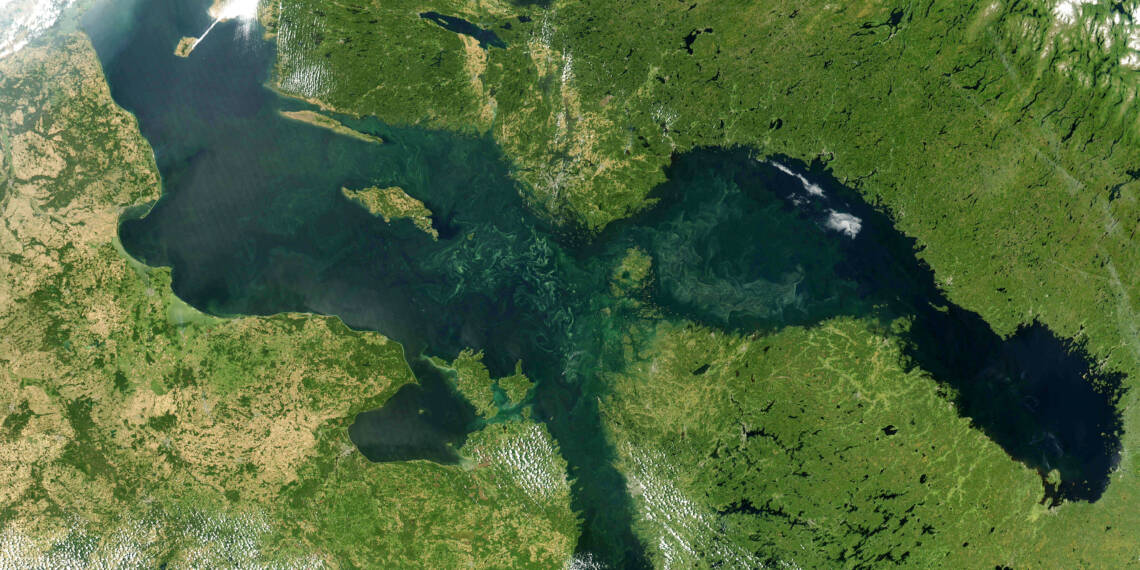
Approximately one fifth of the entire surface area of the Baltic Sea belongs to Finland’s maritime territory.
The catchment area of the Gulf of Finland is approximately 14 times larger than the gulf itself.
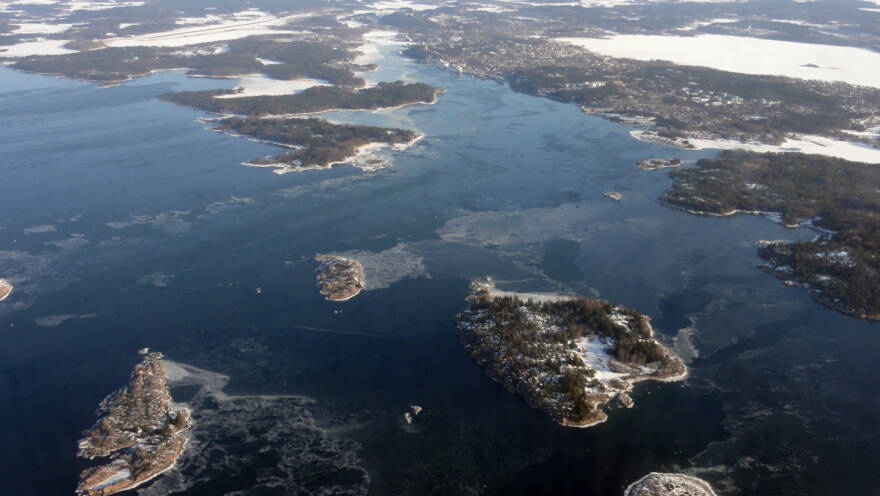
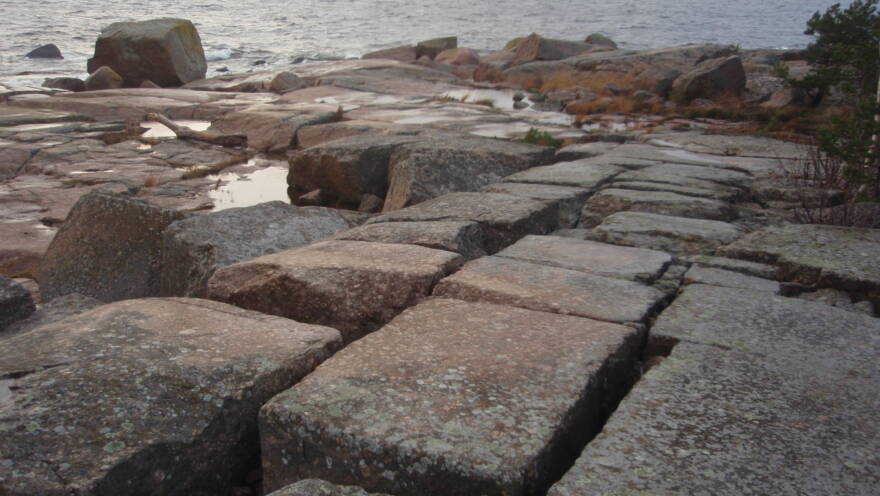
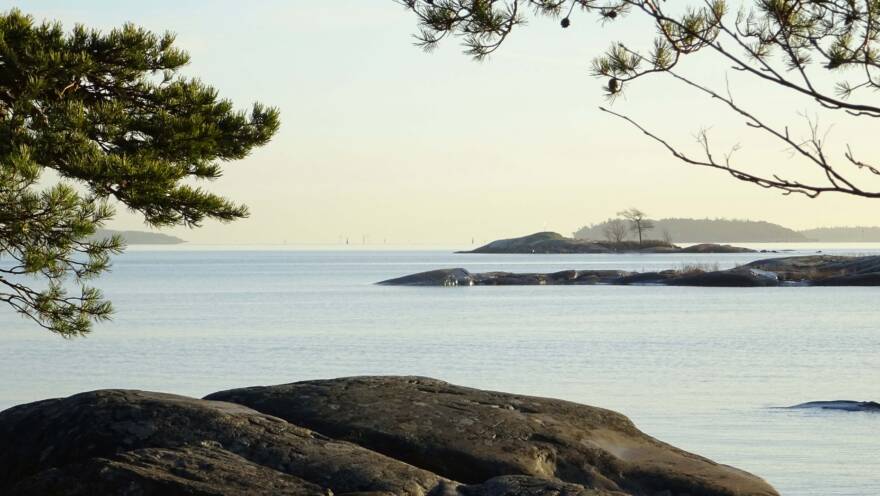
There are around 80,000 islands in Finland’s maritime territory alone! This vast archipelago was skillfully sculpted by the continental ice sheet, creating a landscape that is rare on a global scale.
- As the land gradually rises, the Baltic Sea archipelago slowly transforms: new islands emerge, while others disappear as they merge with the mainland or with neighboring islands.
- The fossils found along the coast of Estonia and in Åland originate from a tropical ancient sea dating back 450 million years. At that time, the Baltic Sea region was located near the equator!