Buy thoughtfully and recycle
You can help protect the Baltic Sea by sorting your waste properly and only purchasing what you truly need. Properly sorted waste doesn’t end up in the sea—it gets recycled and reused.
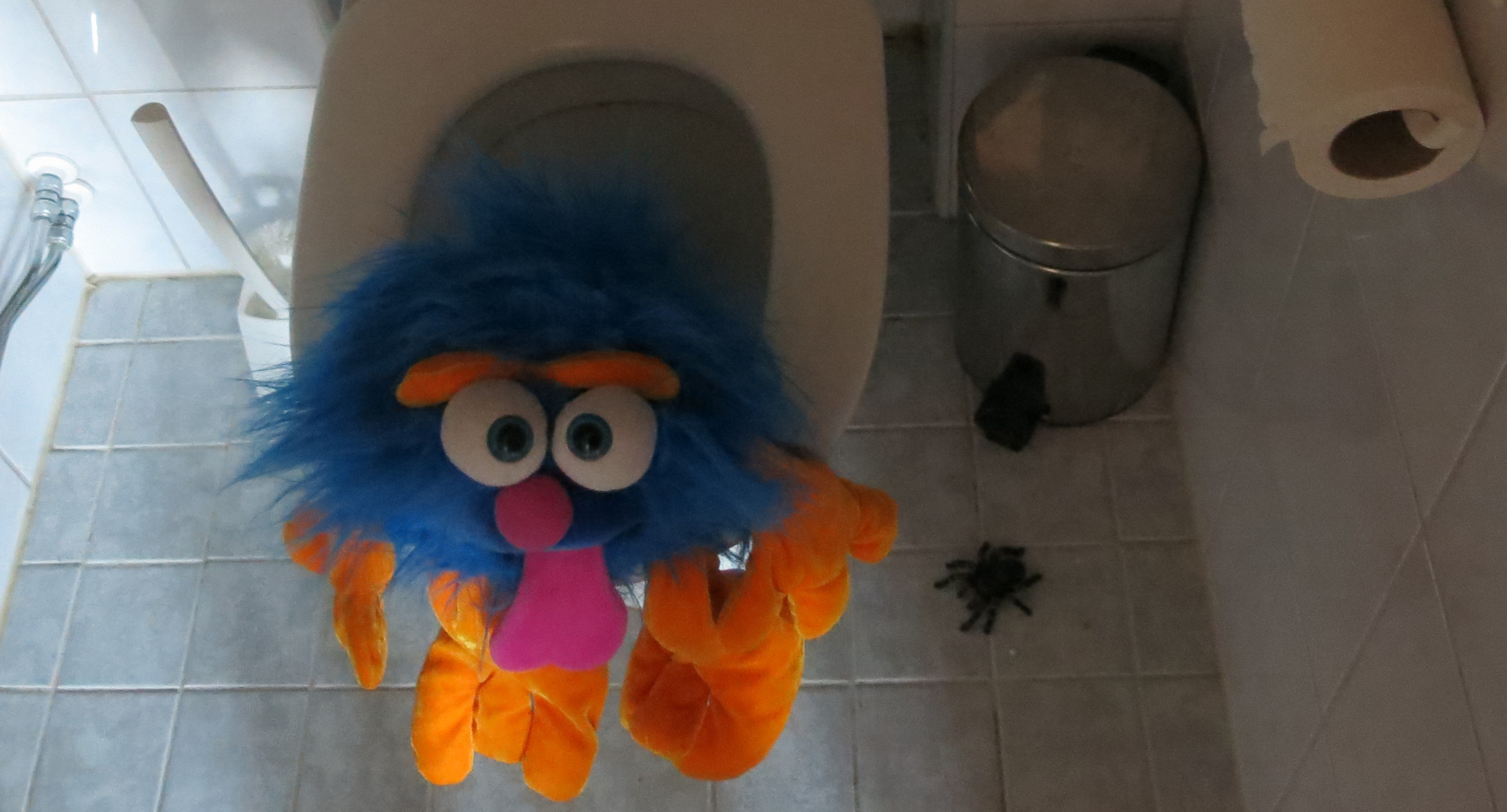
Only flush what truly belongs in the toilet
- The drain or toilet is not a trash bin—use them only for their intended purpose. Sort waste into the appropriate disposal or recycling locations.
- Also explore the Home Water Etiquette and Water Management learning module at vesi.fi.
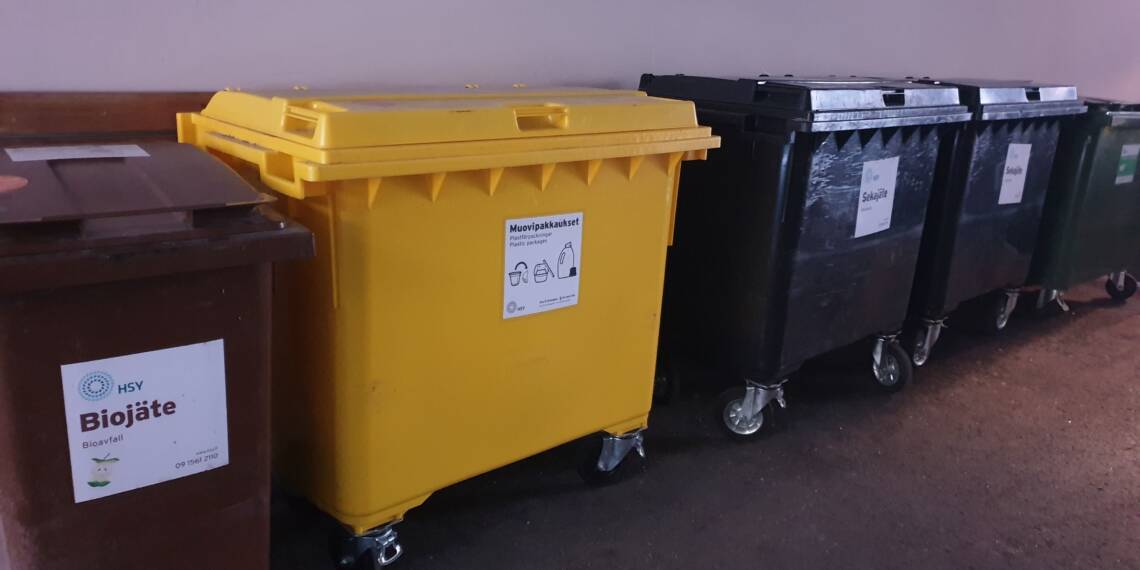
Sort and Recycle Waste
- Take items you no longer need—but are still usable—to a recycling center or use social media to find them a new owner.
- Sort and bring plastic, metal, cardboard, paper, clothing, and glass to appropriate collection points.
- Return used batteries and light bulbs to stores that sell them.
- Take deposit bottles and cans back to the store.
- Deliver hazardous substances to a Sortti station or a mobile collection vehicle.
- Bring old, unused medicines to the pharmacy.
- Avoid food waste: if food scraps are generated, place them in a biowaste bin or compost them.
You can find more information about waste sorting in the Helsinki metropolitan area in HSY’s waste guide.
Sorting tips and educational materials for schools are also available at kiertokapula.fi(siirryt toiseen palveluun).
Why?
Marine litter is a growing problem. By sorting waste and taking hazardous substances and medicines to proper collection points, you help ensure they don’t end up in the sea.
This way, usable materials can be recycled, which also conserves natural resources.
Sorting reduces the amount of waste and the harmful substances that enter nature.
Organic food waste contains phosphorus and nitrogen, which contribute to the eutrophication of water bodies. Anaerobic digestion of biowaste ensures that these nutrients can be put to beneficial use.
Avoid Unnecessary Chemical Use
- Consider what you truly need for cleaning your home and doing laundry.
- Cut down on excessive hygiene products and cosmetics; make sure the products you use don’t contain plastic. A free app that can help: Cosmethics.
- Choose environmentally friendly products marked with an eco-label.
- Eco-friendly detergents include phosphate-free options such as pine soap and vinegar.
why?
The efficiency of wastewater treatment plants depends on the load they receive. Reducing and carefully selecting the chemicals used decreases the amount of nutrients and harmful substances entering the plants, improving their operational reliability.
Products with an eco-label place less strain on the environment: fewer nutrients, plastics, and other harmful substances end up in waterways.
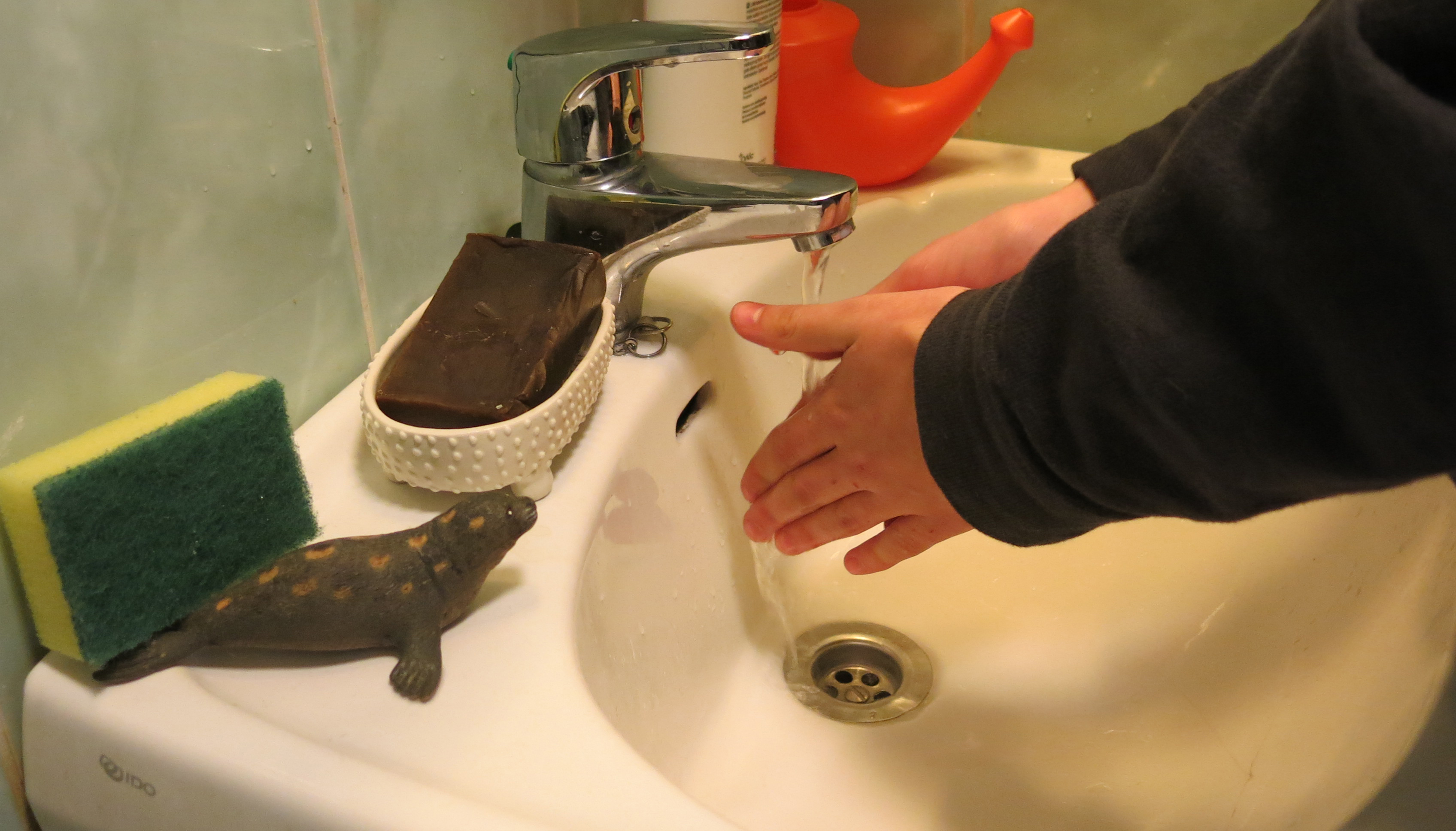
Wastewater to the Right Place
In cities, household wastewater is directed to treatment plants, which must be held to high operational standards.
If a detached house is not connected to the municipal sewer system, it is essential to ensure that the wastewater is properly treated. Learn more about wastewater treatment for private properties(siirryt toiseen palveluun).
why?
Well-treated wastewater releases fewer nutrients and harmful substances into water bodies, reducing the burden on the sea.
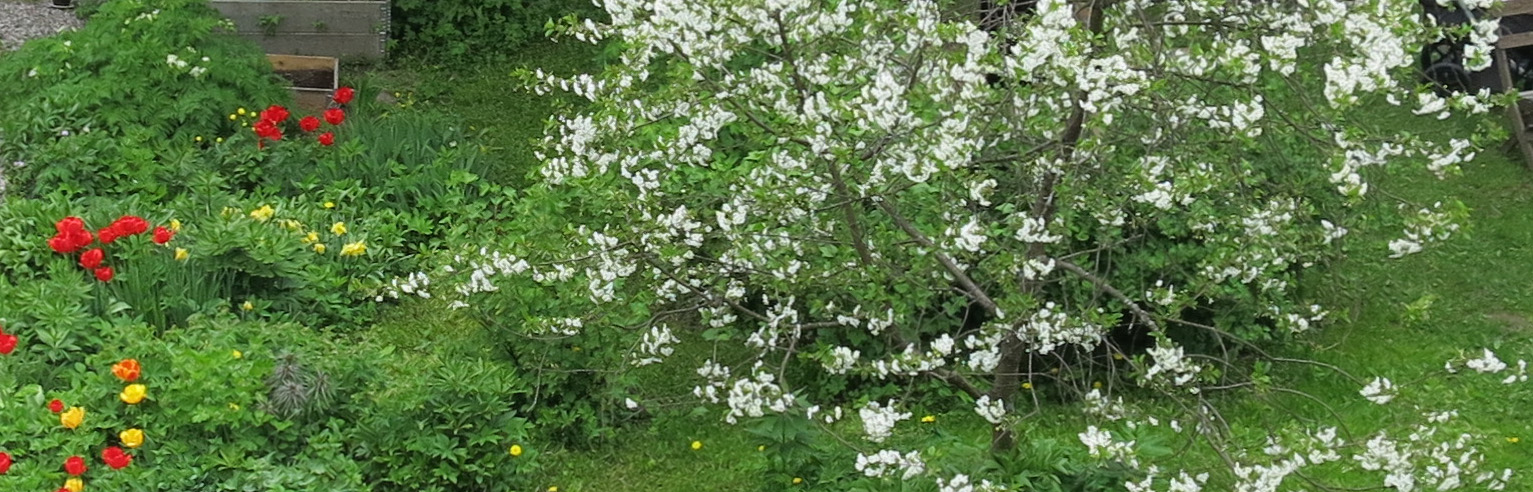
Grow Organically
- Avoid over-fertilizing your garden.
- Use natural fertilizers instead of synthetic ones.
- Steer clear of pesticides.
- Make sure nutrients or chemicals from your yard don’t wash into ditches or waterways.
why?
Nutrients contribute to the eutrophication of water bodies. Pesticides are harmful to the environment. Products with an eco-label place less strain on nature—fewer nutrients and harmful substances end up in waterways.