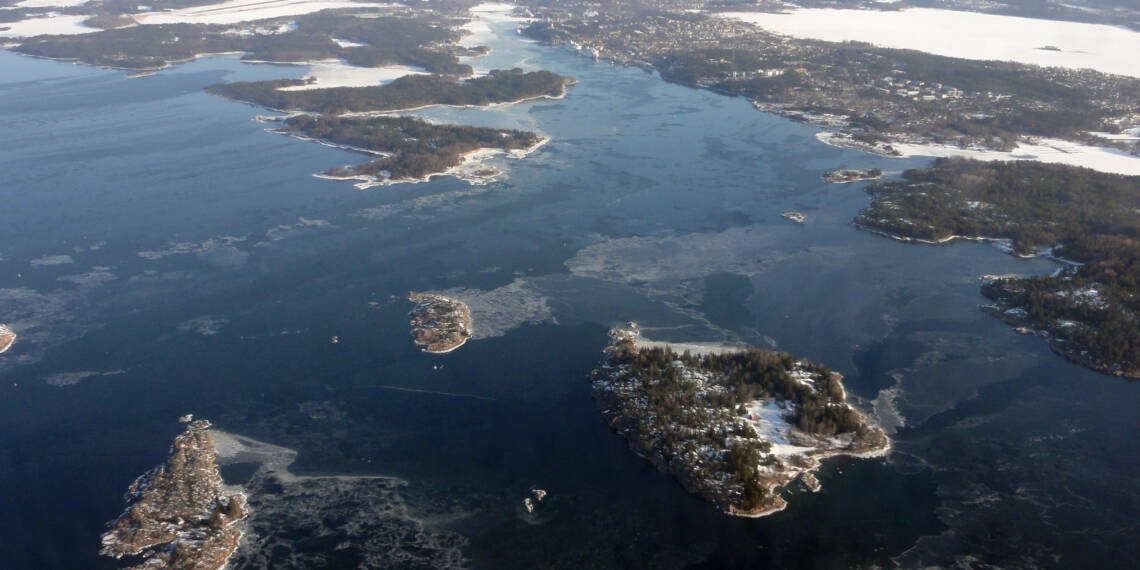
A small inland sea has many users
Contents
The Baltic Sea is a brackish inland sea
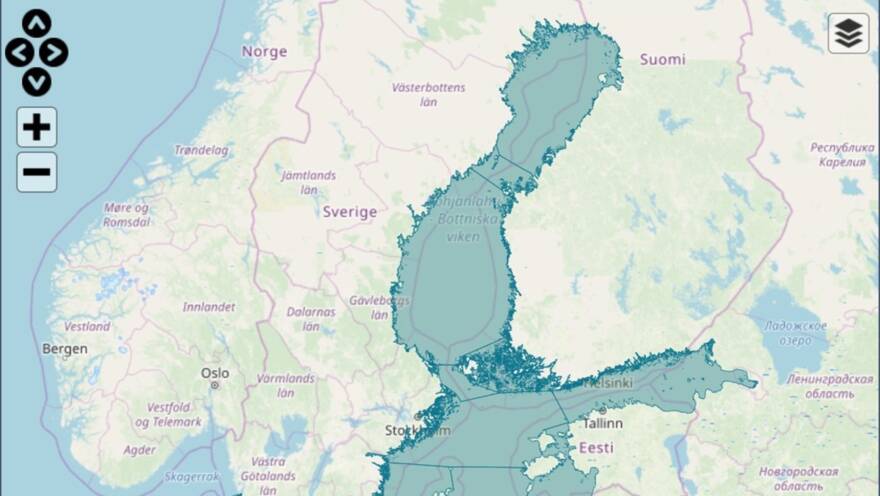
The Baltic Sea is a northeastern marginal sea of the North Atlantic, and the second largest brackish inland sea by water volume, after the Black Sea. It lies entirely on the Eurasian tectonic plate, which makes it shallow and small in volume. Oceans are located at the transition zones between tectonic plates and are therefore deep.

The main basin of the Baltic Sea extends from Denmark to southwestern Finland. Its length is about 1,600 kilometers and its average width is approximately 190 kilometers.
BALTIC SEA IN NUMBERS
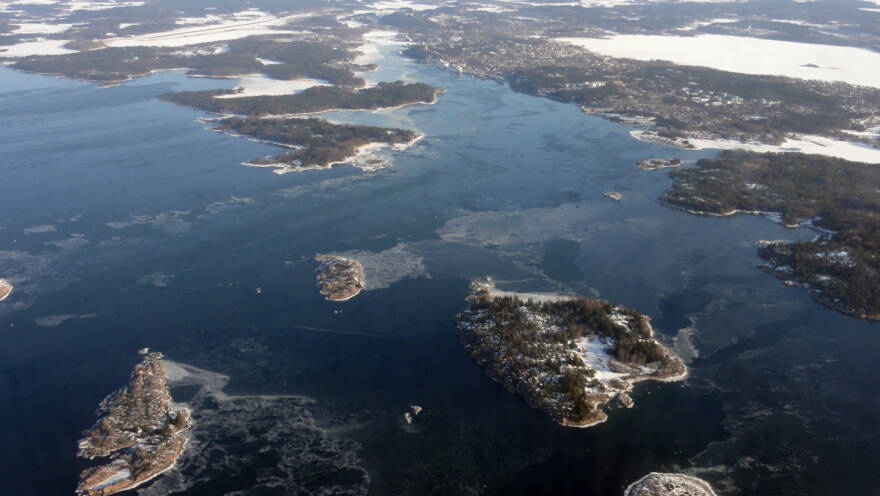
The archipelago of the Baltic Sea is unique even on a global scale. In particular, Finland’s Archipelago Sea and Sweden’s Stockholm archipelago are highly fragmented and varied due to the scouring effect of continental ice. Their numerous islands are mostly rocky. In the Bothnian Bay and the southern parts of the Baltic Sea, islands are few and far between.
The largest islands in the Baltic Sea include Sweden’s Gotland and Öland, Estonia’s Saaremaa and Hiiumaa, Germany’s Usedom, and Finland’s Åland mainland.
The Baltic Sea has a large drainage basin
In addition to the nine coastal countries, the Baltic Sea drainage basin includes parts of five other countries: the Czech Republic, Slovenia, Ukraine, Belarus, and Norway.
Water flows into the Baltic Sea basin from an area of 1.6 million square kilometers. Because the sea’s water volume is small, substances washed in from the drainage area do not dilute well. The Baltic Sea has only a narrow and shallow connection to the ocean, so water exchange is slow and substances entering the sea remain there for a long time.
Due to the limited exchange with the ocean and the continuous inflow of freshwater from numerous rivers in the drainage basin, the water remains low in salinity and brackish. The Baltic Sea’s water is freshest in large river estuaries, such as in the Bothnian Bay and off the coast of St. Petersburg.
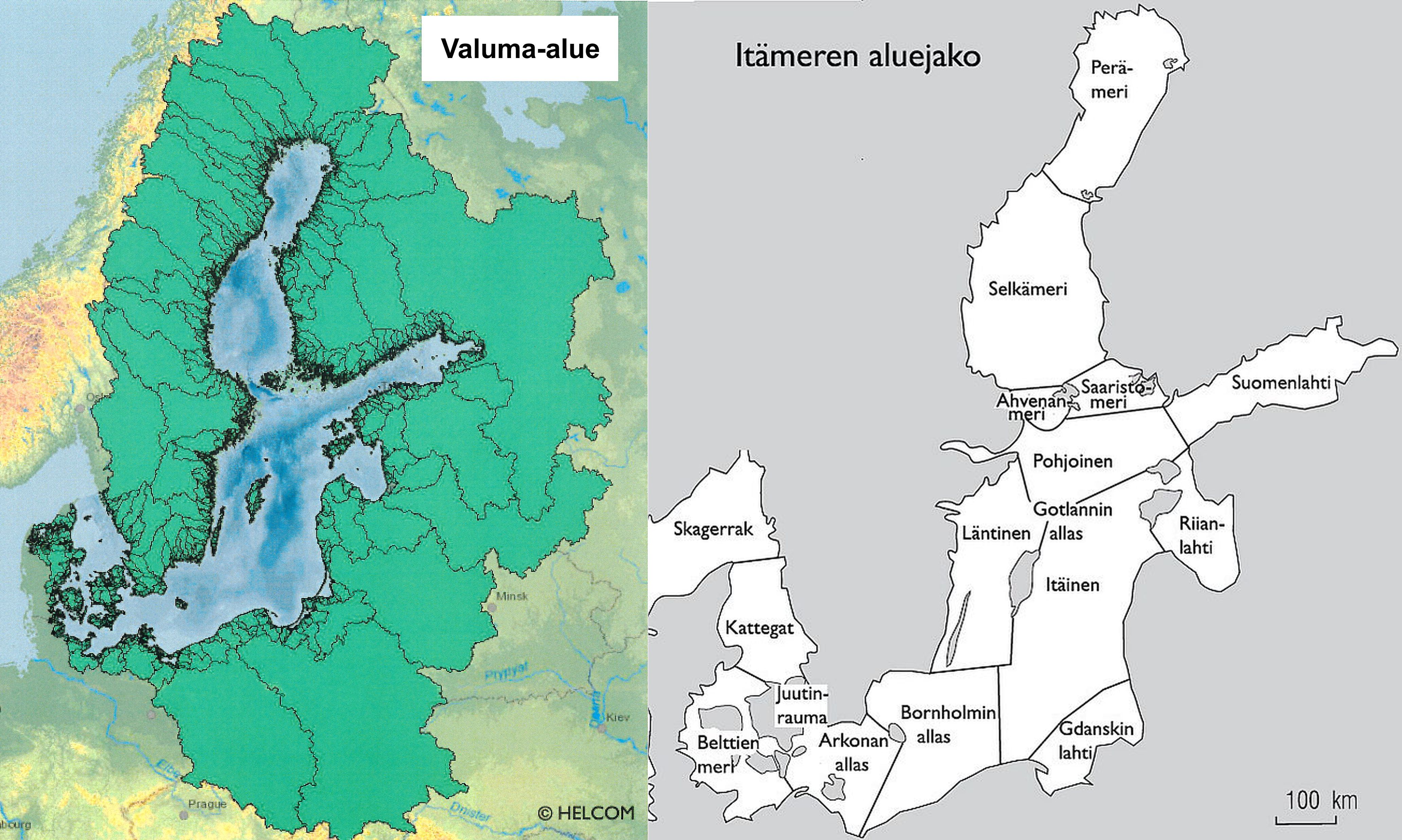
Baltic Sea sub-regions from north to south: Bay of Bothnia, Sea of Bothnia, Åland Sea, Archipelago Sea, Gulf of Finland, Gotland Basin (northern, eastern, western), Gulf of Riga, Bay of Gdańsk, Bornholm Basin, Arkona Basin, Øresund, Belt Sea, Kattegat, (Skagerrak).
Testaa tietosi: Itämeren aluejako (siirryt toiseen palveluun)
-
 Katso myös tämä
Animaatio: Itämeri on sisämeri (siirryt toiseen palveluun)
-
 Katso myös tämä
Animaatio: Itämeren valuma-alue (siirryt toiseen palveluun)