Does the perch have a headache?
Contents
- Tracing Chemicals
- Harmful substances trouble marine organisms
- How can harmful substances in the sea be reduced?
- Terms
- Teaching Materials: Harmful Substances
Tracing Chemicals
Harmful substances enter the sea from various sources, including traffic, agriculture, industry, and households. Some of these substances are by-products of different activities, while others are intentionally manufactured. Tens of thousands of chemicals are used within the EU, and new ones are continuously introduced. In Finland, chemicals are both produced and imported, with some arriving as components or embedded in products. There are approximately 20,000 preparations classified as hazardous, containing over 5,000 dangerous substances.

Various chemicals and harmful substances increasingly enter the sea from households and urban stormwater runoff. Many chemicals designed to “make everyday life easier” have been found to be harmful to organisms. Harmful substances are present in many detergents and cleaning agents, adhesives, paints, lubricants, biocides, and dyes. In addition, plastics, electronics, and textiles contain surface treatments and flame retardants that are harmful to living organisms. These substances can be released into the environment throughout the entire lifecycle of a product—from raw material production to the disposal of the finished product.

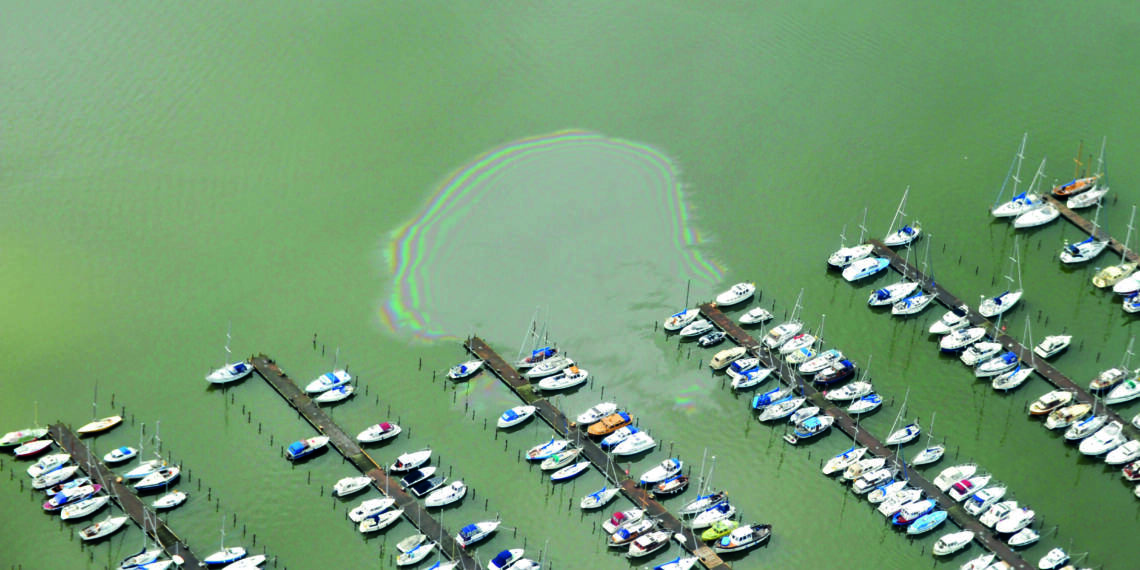
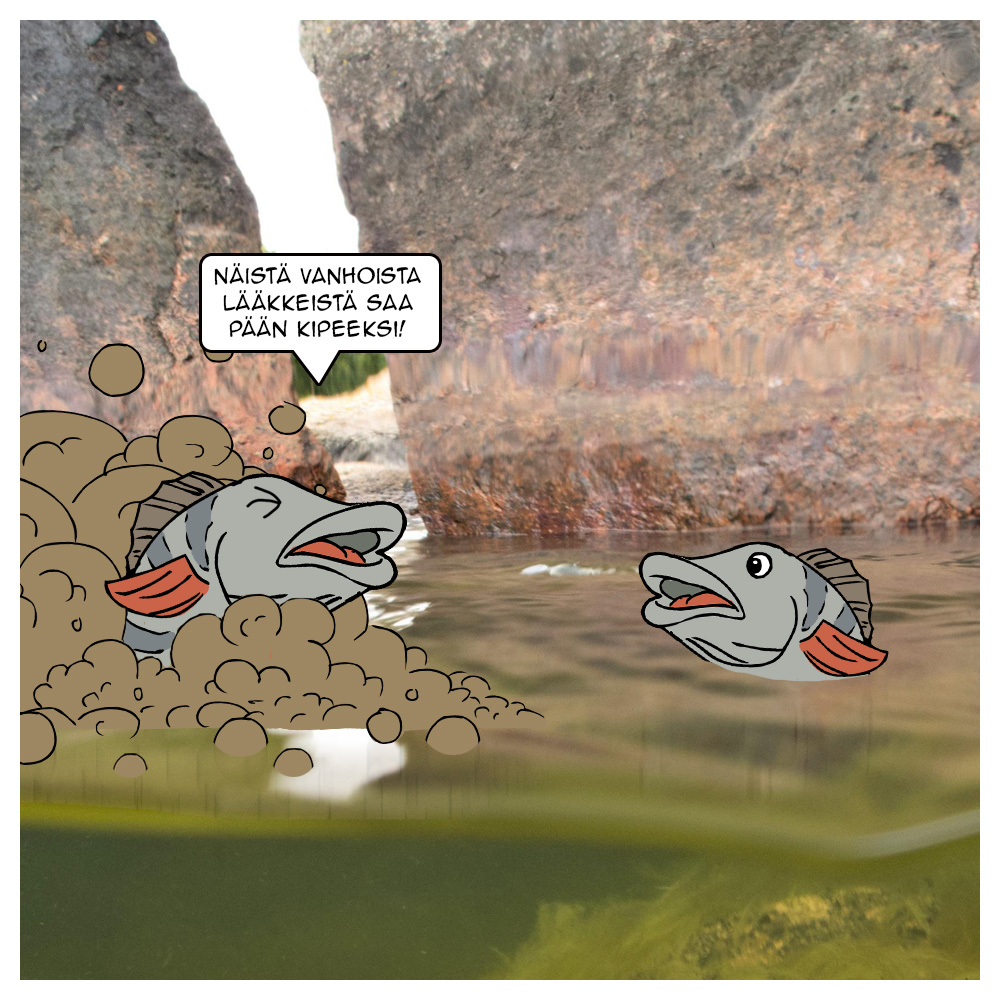
Chemicals are used in many products because they enhance desired properties. However, when released into the environment, these chemicals can be harmful. Unwanted excess pollutants are generated, for example, in industry, transportation, and combustion processes. The Baltic Sea sees heavy ship traffic, which naturally increases the risk of maritime accidents. In the event of an accident, large amounts of oil may be released into the sea. Medicines, hormonal preparations, and even narcotics are flushed down the toilet into treatment plants, from which they often continue into water bodies. High concentrations of certain pharmaceuticals have been measured in treated wastewater, as many of them pass through treatment plants unchanged.

The Baltic Sea is a cold sea, which means harmful substances break down slowly in its waters. These pollutants can persist for a long time on the seabed and within the food web. The Baltic Sea contains relatively little water, and its water exchange is slow. This contributes to increased stress on organisms, as harmful substances dilute poorly and have prolonged effects. Water temperature and salinity also influence the toxicity of substances. Therefore, it is especially important to obtain research data on the combined effects of different substances in the sea.
Harmful substances trouble marine organisms
Pharmaceuticals and hormones interfere with cellular functions in organisms, disrupting their vital processes. However, the concentrations of harmful substances within organisms are often so low that they are difficult to detect through measurements.
Toxic substances that degrade slowly and accumulate in marine life primarily affect organisms at the top of the food web—birds, mammals, and humans. Reproductive processes are especially disturbed by persistent organic pollutants such as brominated flame retardants and perfluorinated surface treatment agents.
In the past, ship hull paints contained tributyltin (TBT), an organic tin compound. Although the use of TBT is now banned, earlier emissions still circulate in the food web. Through its hormonal effects, TBT has wiped out entire snail populations.

We are already well aware of the harmful effects caused by legacy organic pollutants such as PCBs and DDT, as well as heavy metals. In contrast, emissions from flame retardants, surface treatment agents, antifouling agents used on ships, and pesticides are still being actively studied. Among the harmful substances produced as by-products of combustion processes, most information exists on dioxins and PAHs, which also originate from oil spills. Emissions from pharmaceuticals, narcotics, cosmetics, and micro- and nanomaterials remain poorly understood.
Many chemicals enter the sea and mix with one another. As a result, marine organisms are almost always exposed to mixtures of different compounds, not just individual substances. Although the effects of single pollutants are fairly well known, their impact can change when they interact with other substances.
How can harmful substances in the sea be reduced?
For many decades, little concern was given to the harmful substances entering the sea. Fortunately, attitudes have changed. International agreements have introduced restrictions and outright bans on substances found to be harmful. As a result, the concentrations of these pollutants in nature have decreased. Banning and limiting the use of the most dangerous substances has especially benefited top predators in the Baltic Sea food web, such as white-tailed eagles and seals.
Oil concentrations in the Baltic Sea have also been brought under control. This has been achieved through enhanced aerial surveillance and reinforced ship hull structures. Sharing environmental information has played a key role as well. Finland was the first country in Europe to develop an action plan that also considers the ecological impacts of oil spills. However, the best way to prevent oil damage is proactive action. That’s why the Baltic Sea has an effective maritime traffic control and monitoring system in place.
Today, polluted areas and wastewater are treated with increasingly efficient methods, such as activated carbon and ozone. Combustion processes have also become cleaner. A well-functioning exchange of information between authorities, stakeholders, and consumers is the best way to prevent the creation of harmful substances and reduce emissions.
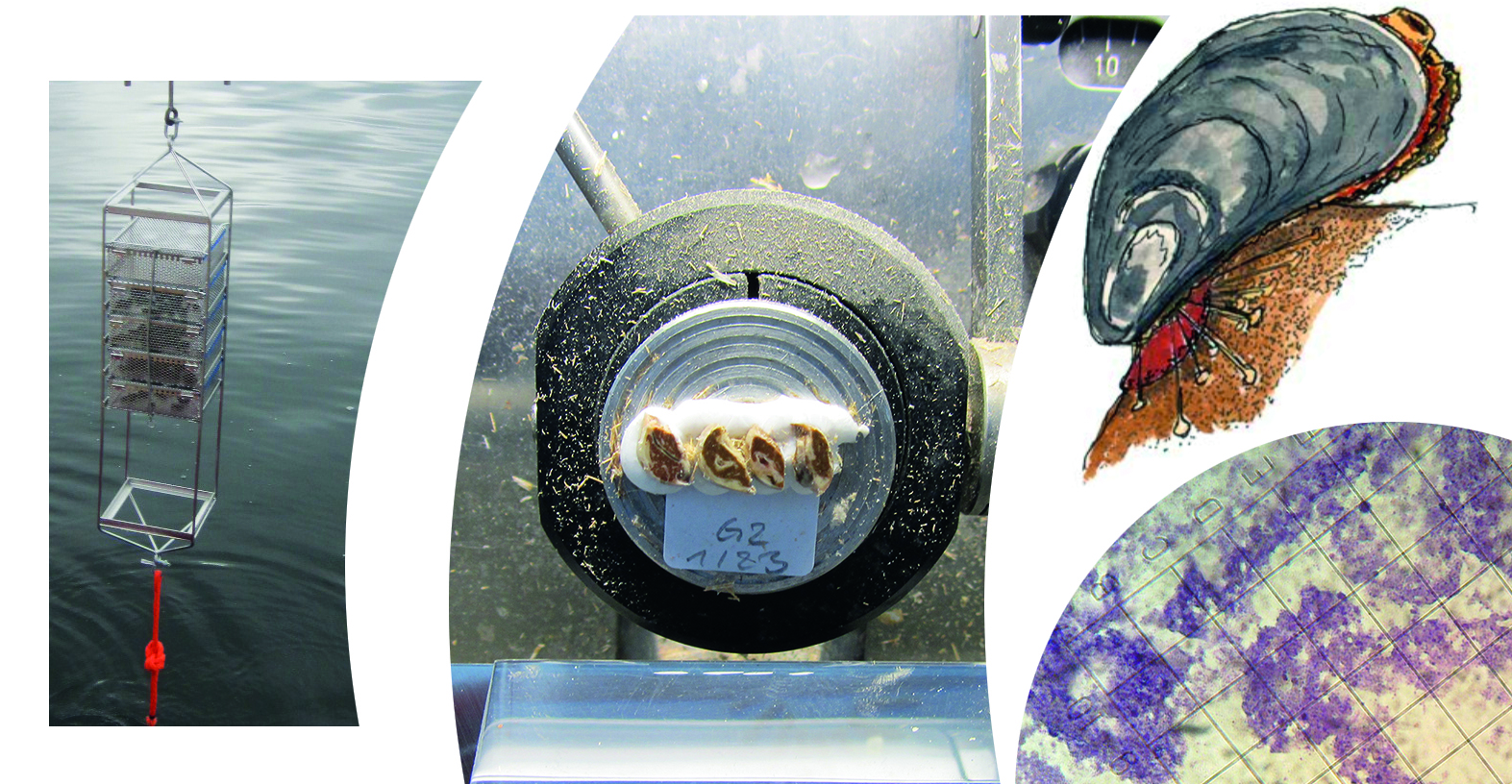
To help trace harmful substances, biological changes observed in organisms—known as biological responses—are used. These allow early detection of stress factors like pollutants. When a biological response (biomarker) “alerts,” swift action can prevent more serious disruptions to the ecosystem. However, more research is still needed on many existing and emerging chemicals.
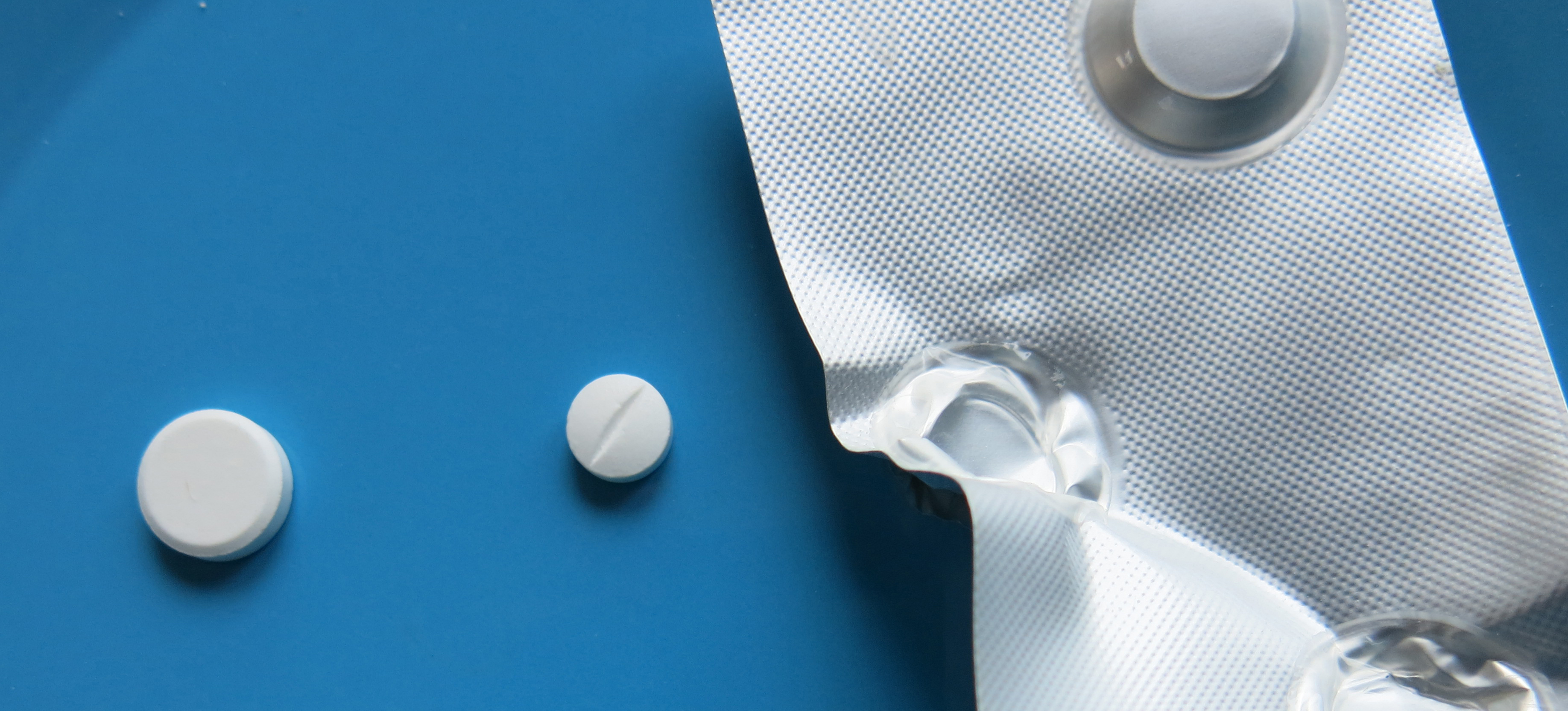
As consumers, we influence the amount of harmful substances burdening the environment through our choices, demands, and actions. By choosing products with an eco-label, you place less strain on nature. When you take unused medicines to the pharmacy and dispose of hazardous chemicals at proper collection points, you make an important contribution to environmental protection.
Terms
Biomarkers
Biomarkers indicate biological changes in organisms caused by various stressors. They serve as early warning signs of harmful effects from chemicals before changes become visible at higher levels of the ecosystem. Biomarker measurements have been conducted in the Baltic Sea on mussels, fish, and the amphipod Monoporeia affinis.
Biocide
A biocide is a chemical or microorganism intended to destroy or control harmful organisms, prevent their effects, or limit their presence. Examples of biocides include disinfectants, pest control agents, industrial preservatives, wood protection agents, and antifouling agents used on ships.
Dioxins
Dioxins are not manufactured or used intentionally, but they still form as impurities during combustion processes. Most dioxins entering the Baltic Sea arrive via long-range atmospheric transport. In the past, they were found as impurities in wood preservatives such as chlorophenol. Sediment concentrations near the mouth of the Kymi River still pose a risk to the marine ecosystem. Dredging can transfer these harmful substances to new areas.
Endocrine Disruptor
An endocrine disruptor interferes with the hormonal systems of organisms and may cause other unwanted effects. If a substance is identified as an endocrine disruptor, strict usage restrictions are imposed within the EU.
POPs (Persistent Organic Pollutants)
POPs are toxic organic substances that persist in the environment and accumulate in organisms. Even at low concentrations, they can harm the environment. Examples include DDT, PCB, HBCDD, PBDE, PFOS, chlorophenol, and dioxins. The use of POPs is banned or restricted under the Stockholm Convention. However, flame retardants and surface treatment agents containing POPs are still found in some products and waste.
Heavy Metals
Among heavy metals, mercury places the greatest burden on the Baltic Sea. Its use in products has been heavily restricted. Most current emissions originate from atmospheric deposition caused by coal combustion and the metal industry, eventually reaching the sea directly or via rivers.
Oil
PAHs (polycyclic aromatic hydrocarbons) from oil spills are among the most harmful substances. Ship accidents, as well as continuous small discharges—such as oil carried by stormwater and wastewater—pose risks to the marine ecosystem. PAH concentrations in some ports and shipping lanes are dangerously high for marine life.