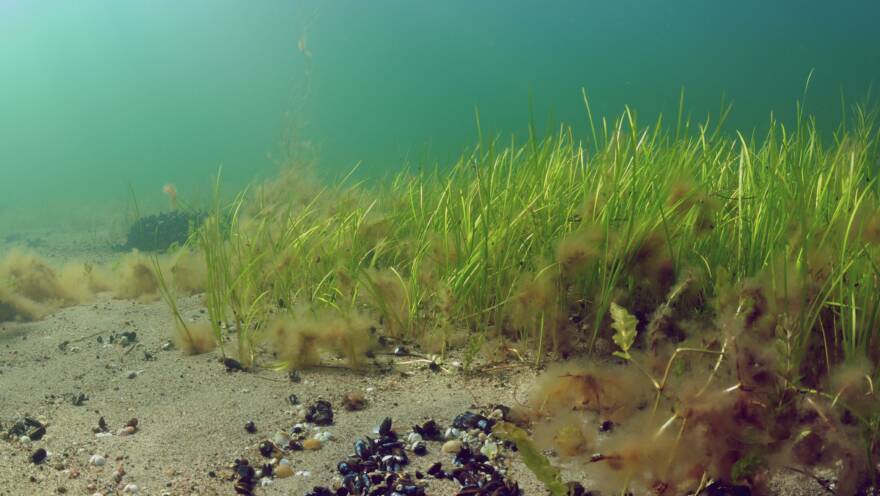
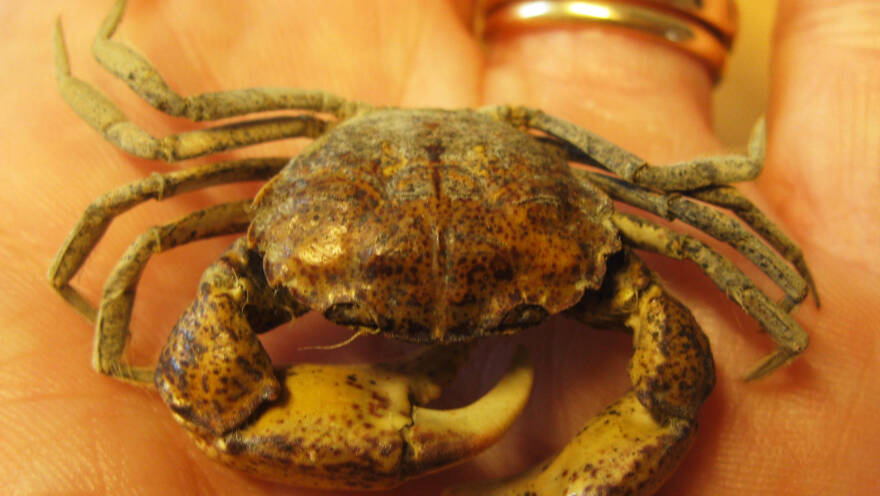
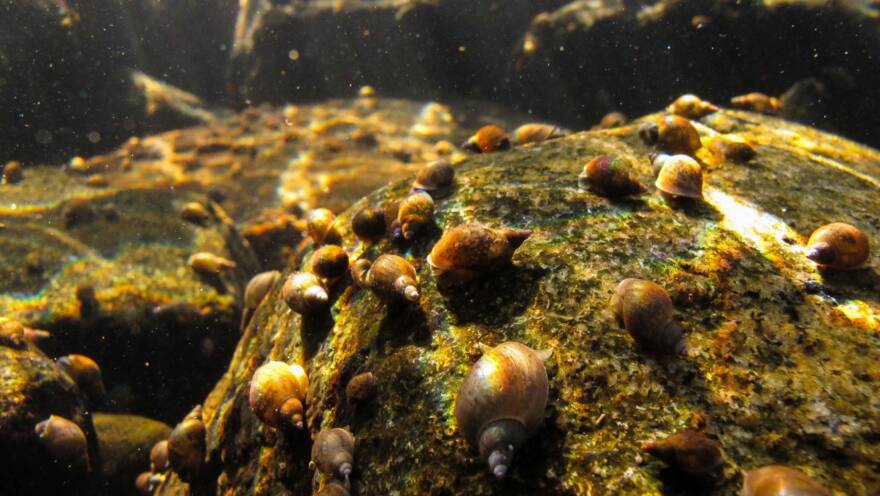
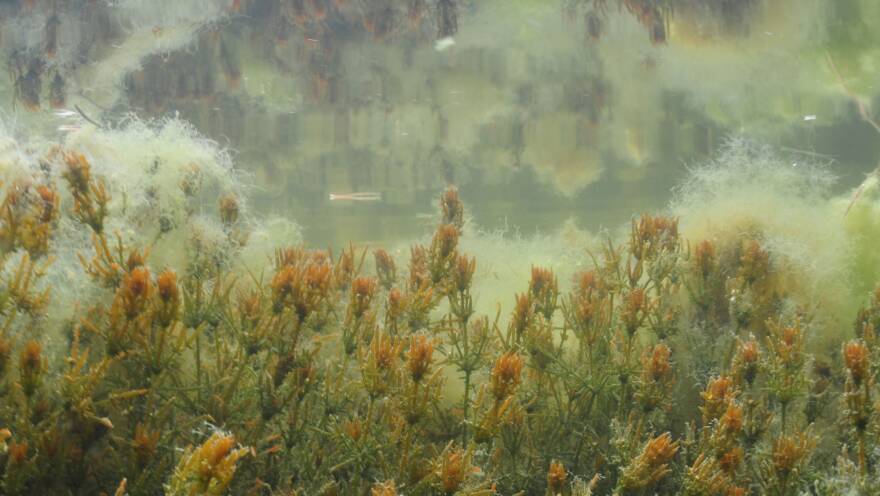
Thousands of species, from microalgae to seals
The Baltic Sea is a northern sea, significantly shallower and less salty than the oceans. Most species living in the Baltic exist on the edge of their comfort zones. Winter, with its ice cover, poses a challenge for many organisms, yet several Baltic species also benefit from the ice. Some species migrated to the region right after the last Ice Age, but the Baltic Sea is still geologically young. Its biota is a unique blend not found anywhere else.
The species of the Baltic Sea are true survivors. Most originate from freshwater or ocean environments and must expend energy to regulate the salt concentration in their cells. Only a few brackish water species are truly at home in the Baltic. The nearly freshwater conditions near the coast and in northern areas provide habitats for species absent from the oceans. For example, many insect larvae familiar from lakes thrive in the Baltic Sea but are missing from marine environments.
Overall, the Baltic Sea hosts fewer species than the oceans, and its food chains are simpler. This makes its ecosystem more vulnerable to change. For instance, an invasive species arriving via shipping traffic can drastically alter the structure and functioning of the Baltic ecosystem.
Ecology is part of the “Learn and Explore” website, which is designed for environmental education. At the bottom of the page, you’ll find related teaching materials.
Test your knowledge: Ecology (in Finnish)(siirryt toiseen palveluun)
Test your knowledge: What species is shown in the picture? (in Finnish)(siirryt toiseen palveluun)