
Maritime cultural heritage requires protection and management
Humans have been on the move in the Baltic Sea region for about 10,000 years. They have crossed the sea to seek a better life, a livelihood, land-use rights, as well as new settlements and conquests. The sea has been a fairway for people, ideas, and merchandise alike. It has united and also separated.
What is maritime cultural heritage?
Broadly speaking, maritime cultural heritage is all the built and archaeological remains found in the environment, in which man’s way of understanding and use of the sea and its waters is visible, then and now.
Throughout history, human activities have left traces on the seabed and shores of the Baltic Sea, creating a fascinating and diverse cultural heritage. This includes artefacts related to shipping, fishing, religions, war, and even recreational boating.
Maritime cultural heritage can be found on the seashore, along riverbanks, in the archipelago or out the high seas. Some of these sites are located below the water surface. Together, they form diverse entities and cultural landscapes.

Maritime heritage also includes maritime material collected and preserved in archives, libraries, and museum collections. With the help of written preserved material, it is possible to present and study phenomena related to the use of water bodies in the past.
There are also intangible values in maritime cultural heritage, such as old knowledge, skills, and traditions.
What is underwater cultural heritage?
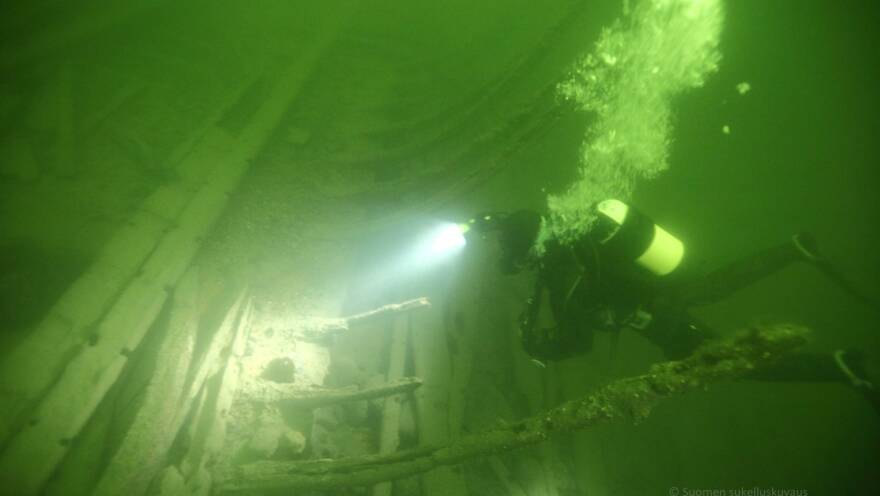
The remains of human activity below the surface are called underwater cultural heritage. Such remnants include shipwrecks, underwater structures, such as ports or defence equipment, as well as various loose artefacts. Most of the underwater cultural heritage of Finland is composed of the wrecks of ships of different ages and types.
The seas are still surprisingly unexplored. New historical wrecks are found every year.
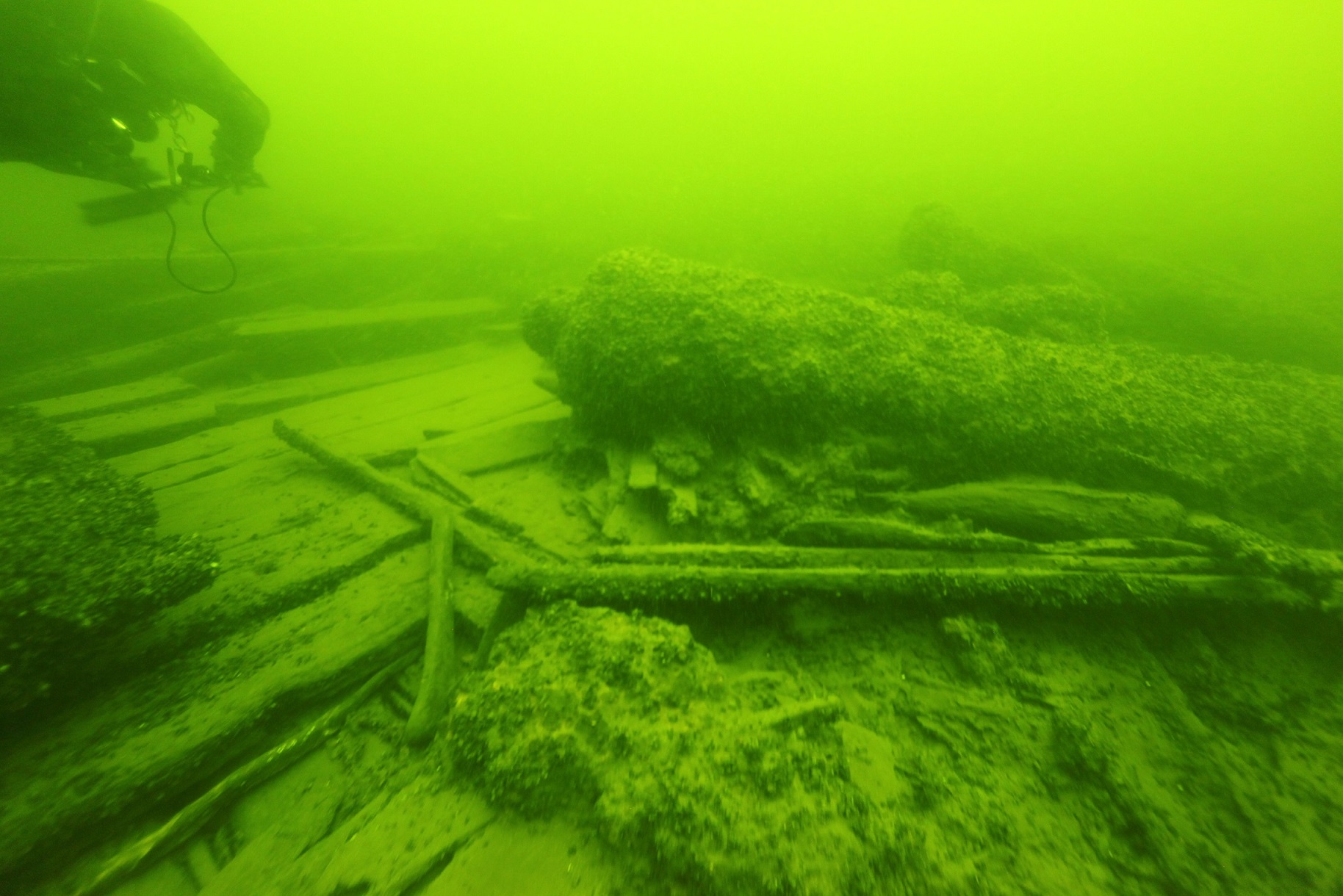
Underwater cultural heritage unfolds for recreational divers
The increasing popularity of recreational scuba diving and technological advances have made it easier for even ordinary citizens to see, experience, and visualise their underwater cultural heritage and landscape.
The underwater landscape is a fascinating combination of nature and cultural heritage with its own unique soundscape and emotional world. There is increasing activity underwater and people are actively seeking new experiences there.
Who protects maritime cultural heritage and how?
Many different agencies are involved in the safeguarding of maritime cultural heritage, including museums and associations. Other authorities involved in such protection, include regional responsibility museums, environmental authorities, the Finnish Navy, Metsähallitus, as well as the Finnish Transport Infrastructure Agency (Väylävirasto). In sea areas, shipwreck sites are supervised by the coastguards of the Gulf of Finland and Western Finland.
-
 Find out more
Cultural heritage
The Finnish Heritage Agency is also involved in the protection of maritime cultural heritage. Regarding underwater cultural heritage, the Finnish Heritage Agency is the only authority in Finland responsible for its protection and equipped with maritime archaeological resources.
The agency’s tasks include participating in the protection, identification, and evaluation of marine and underwater cultural heritage. The cultural environment is protected through legislation, cooperation between environmental and cultural administrations, as well as through the help of business and citizen activities.
To support land-use planning, the Finnish Heritage Agency and the Regional Museums issues statements on maritime archaeological, architectural, and cultural heritage landscapes. The agencies also develops protection, management and repair methods, as well as promoting the values and opportunities of the cultural environment.
In addition to desk-based work, the Finnish Heritage Agency also conducts maritime archaeological fieldwork. In addition, the Finnish Heritage Agency grants funding for the restoration of buildings and vessels, as well as for the maintenance of World Heritage sites and ancient artefacts.
The regional and national responsibility museums, as defined by the new Museum Act (314/2019), began their operations at the start of 2020. The regional responsibility museums tasked with cultural environment duties serve as experts in their respective areas, particularly in matters related to the built environment and archaeological cultural heritage. The majority of cultural environment issues related to land use planning are handled by these regional responsibility museums. The coastal regional responsibility museums (Tornionlaakso Museum, Tornio; Museum and Science Centre Luuppi, Oulu; K.H. Renlund Museum, Kokkola; Vaasa City Museums, Vaasa; Satakunta Museum, Pori; Turku Museum Centre, Turku; Western Uusimaa Museum, Raseborg; Helsinki City Museum, Helsinki; Porvoo Museum, Porvoo; and Kymenlaakso Museum, Kotka) also participate in addressing themes related to maritime cultural heritage.
The national responsibility museums are experts in their respective fields. Their duties include implementing national-level museum activities in their area of specialization, developing and promoting cultural heritage work and cooperation among museums, serving as national experts in their field, maintaining and advancing international connections, and promoting the documentation and digital accessibility of cultural heritage in their area of expertise. In the field of maritime affairs, Forum Marinum in Turku serves as the national specialized museum.
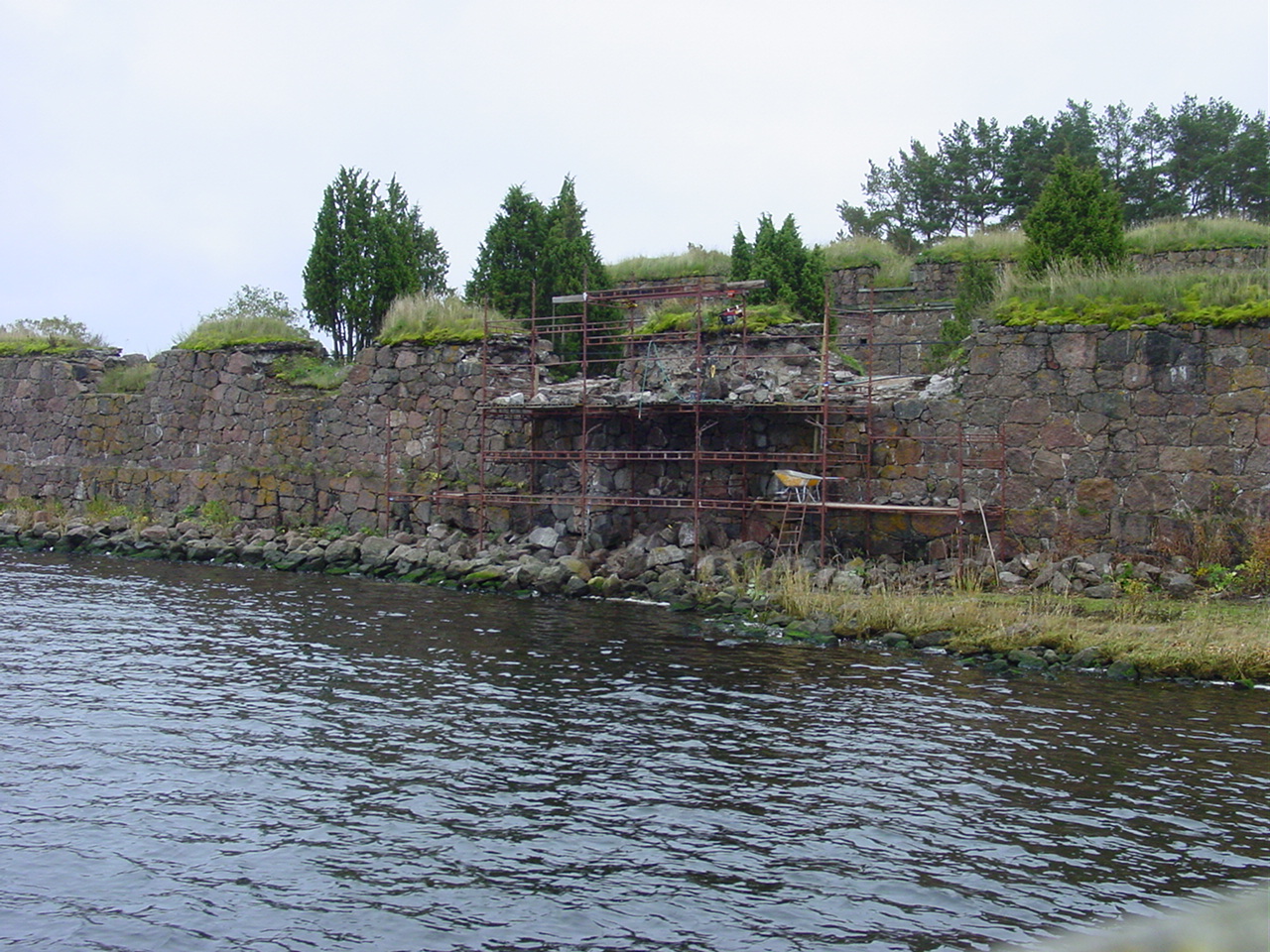
The Finnish Heritage Agency provides marine archaeological information that is open and accessible to all
The Register of Ancient Remains is maintained by the Finnish Heritage Agency and contains basic information about the fixed ancient monuments on the Finnish mainland, which are protected by the Antiquities Act. The register also contains information about other archeological sites. The agency also maintains a register of protected architectural heritage sites.
Information about these sites from their research and finds are also linked to the Register of Ancient Remains. The registry data is constantly updated. The registers are accessible to the public through the Cultural Environment Service Window, maintained by the Finnish Heritage Agency. This information is intended for exploring the cultural environment.
Learn more about the Cultural Environment Service Window!(siirryt toiseen palveluun)
The Archaeological Heritage Guide is maintained by the Finnish Heritage Agency and provides information on what archaeological heritage means in Finland and the types of objects it consists of. The main content of the guide is how the objects look like in the field.
The protection of wrecks involves cooperation between authorities and recreational divers
In addition to legislation, wreck protection is enhanced by cooperation with amateur divers. Volunteer scuba divers visit the wrecks to inspect the location and condition of the sites. In addition, some divers specialise in documenting and investigating shipwrecks.
On the Finnish mainland, six wrecks lie within enhanced protection zones under the Antiquities Act. They are considered historically significant and very well-preserved entities. All diving activities and anchoring unrelated to the salvage of a ship in danger is prohibited in these enhanced protection zones. The purpose of the protected area is to preserve the wreck or other object as a whole for future generations or for possible archaeological research.
The shipwrecks in these special protected areas include the Sankt Nikolai off Kotka, the Gråharuna, Borstö 1, and Vrouw Maria in the Western Turunmaa Archipelago, the Huis te Warmelo in the waters off the city of Porvoo, and Hästö Busö in the Raasepori Archipelago.
According to the Antiquities Act, a wreck or part of a wreck that can be presumed to have sunk more than 100 years ago is treated as a fixed ancient monument. Any such find must be reported to the Finnish Heritage Agency without delay. If it is evident that the wreck or part of the wreck has been abandoned by the owner, it is then the property of the State of Finland. Similarly, any items belonging to or deriving from the wreck also belong to the state.
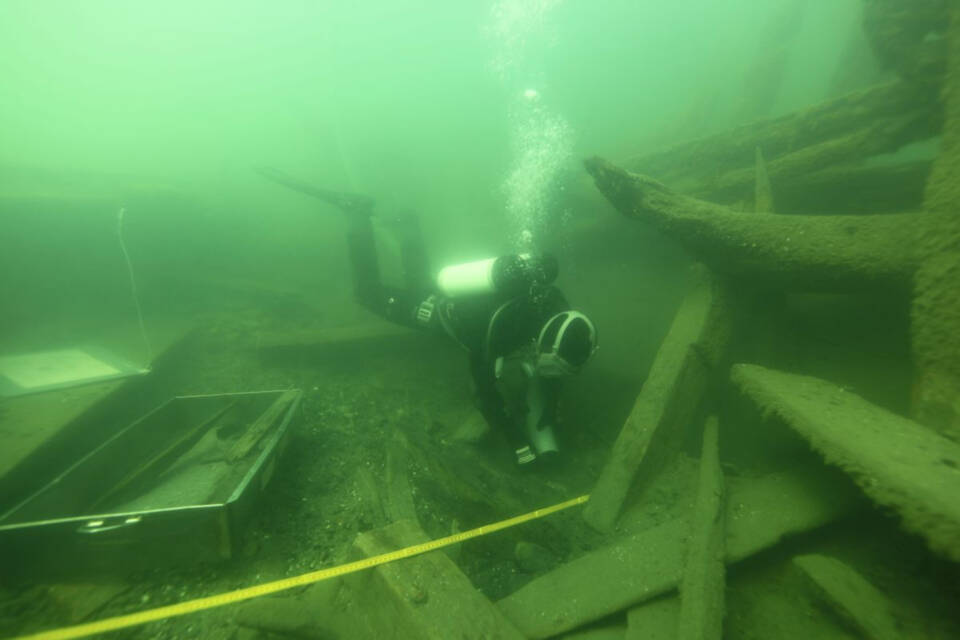
The management of maritime cultural heritage covers specific management and maintenance measures
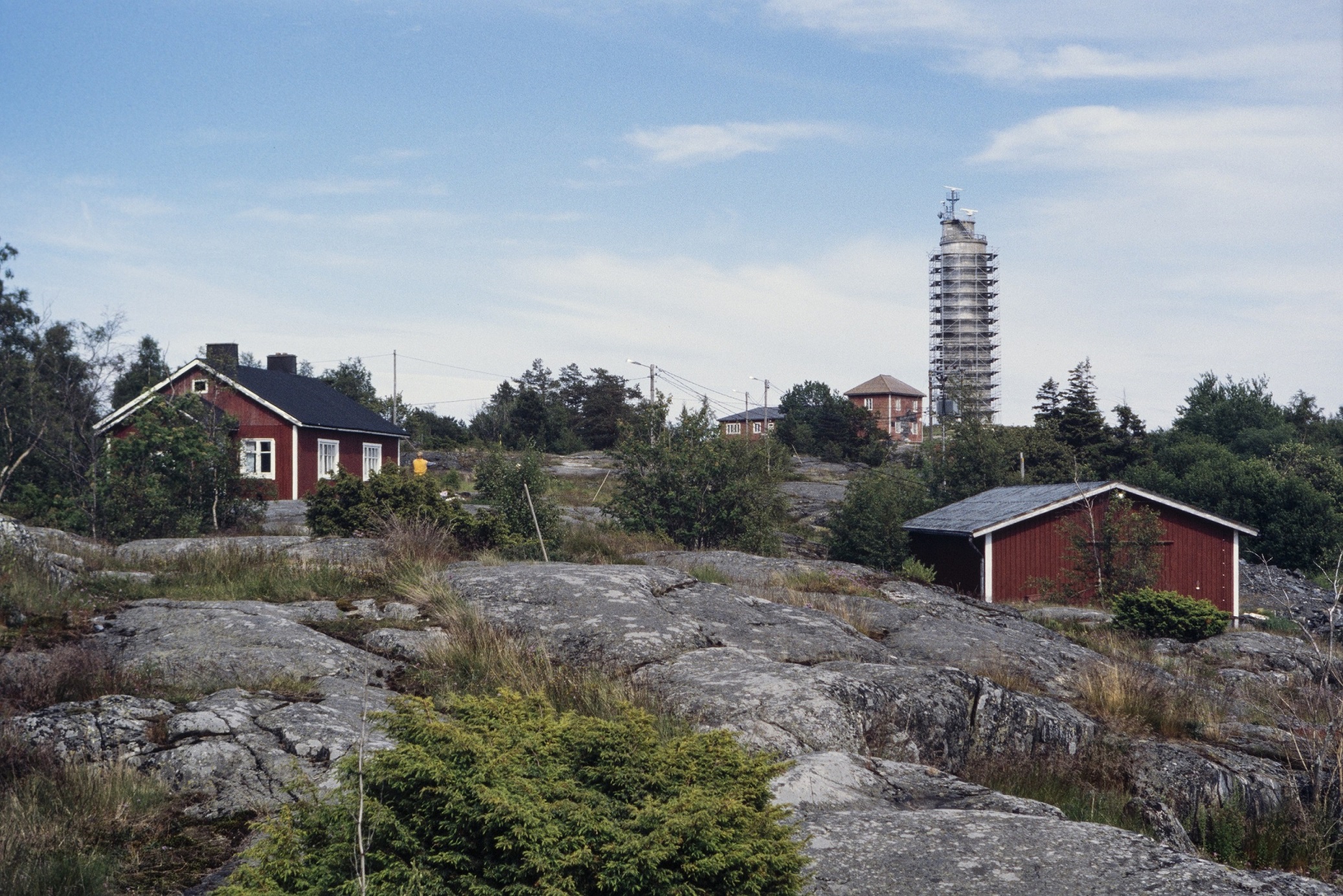
The management of cultural heritage goes hand in hand with protection. At a practical level, management involves the use, care, and repair of the subject while preserving its value. For example, in the case of a lighthouse, maintenance that is specific to the building prevents damage and the need for major repairs.
The management of an archaeological cultural heritage site, such as a wreck, is the management of a fixed archaeological monument or other archaeological site, as well as its surrounding landscape. The primary purpose of management is to protect the archaeological cultural heritage and to highlight the object in a relevant and instructional way, relative to our current landscape.
Why are protection and management important?
Cultural heritage is part of the past, part of ourselves. By safeguarding and managing our cultural heritage, we ensure its preservation. According to the Finnish Constitution, each citizen bears responsibility for our cultural heritage, the environment, as well as nature and its diversity.
The protection of cultural environments aims to protect valuable archaeological, cultural and architectural sites, cultural landscapes and world heritage sites.
A well-preserved, protected and maintained cultural environment adds to the attractiveness of and enriches a landscape. In an increasingly rapidly changing society, cultural environments have received more attention.
Good management of the cultural environment contributes to the preservation of sites, supports the goals of sustainable development and reduces the climate load. Upholding the cultural heritage and protecting underwater nature often goes hand in hand, with both contributing to each other.
-
 Find out more
Research and methods
-
 Find out more
Legislation, conventions and programmes