The species of the Baltic Sea have adapted to brackish water
The short and variable period following the last Ice Age is reflected in the species composition of the Baltic Sea. The salinity of the water in the Baltic basin has fluctuated from freshwater to highly saline—low-salinity brackish water has only existed in the basin for a few thousand years. The number of species is small, as the brackish water of the Baltic Sea presents a challenging habitat for most organisms. The harshness of conditions is further intensified by its northern location, where the cold climate causes the sea to freeze at least partially during winter. Most species in the Baltic Sea originate from either freshwater environments or the open ocean.
After the last Ice Age, the connection between the Baltic Sea and the ocean was at times more open than it is today; only a few species have had time to evolve into true brackish water specialists. Marine species have also not had sufficient time to adapt to the lower salinity. A unique feature of the Baltic Sea is the presence of relict species—remnants of its icy history—that originate from cold Arctic seas and glacial-edge lakes from the final stages of the Ice Age.
Salinity defines the distribution range of species
Salinity and temperature place stress on organisms, which is reflected in both the distribution and size of species. Freshwater species inhabit estuaries as well as the innermost parts of the Bothnian Bay and the Gulf of Finland. Some freshwater species are found throughout the entire Baltic Sea. When large volumes of highly saline water occasionally flow in from the North Sea through the Danish straits, many marine species can temporarily expand into new habitats within the Baltic.
The absence of great depths and the minimal tidal range reduce the variety of available habitats, which in turn limits the number of species in the Baltic Sea. Weather conditions also influence species composition, as only a few species can withstand the harsh winters of the Baltic.
Although the number of species in the Baltic Sea is relatively small, its ecosystem is rich due to the abundance of organic matter and individual organisms. Species diversity gradually decreases when moving from Sweden’s west coast through the Baltic Sea Proper toward the north and into the innermost Gulf of Finland. About 1,500 macroscopic marine animal species live along Sweden’s west coast, around 150 in the southern Baltic, and only 2–3 in the Bothnian Bay.
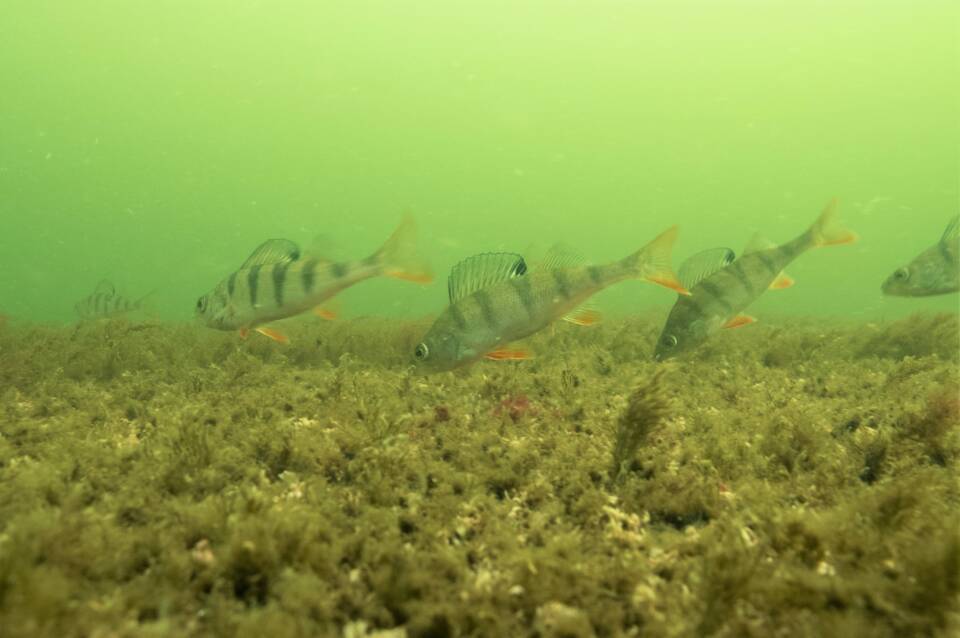
Most species in the Baltic Sea are smaller in size than their counterparts in the open ocean. For example, the Baltic herring is a subspecies of the Atlantic herring, but significantly smaller.
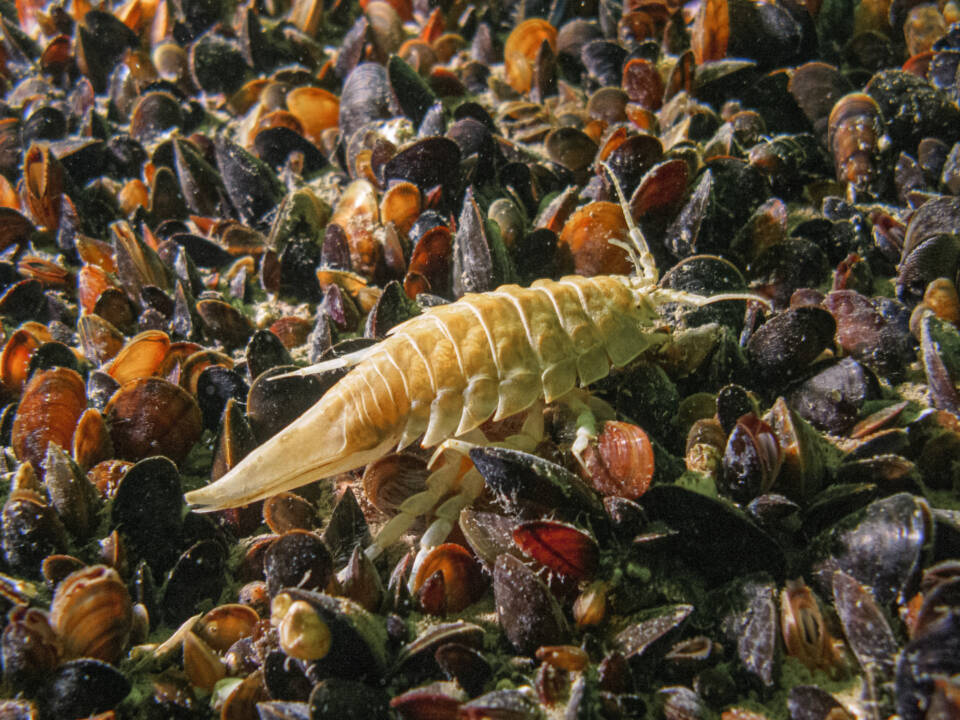
An amphipod and blue mussels
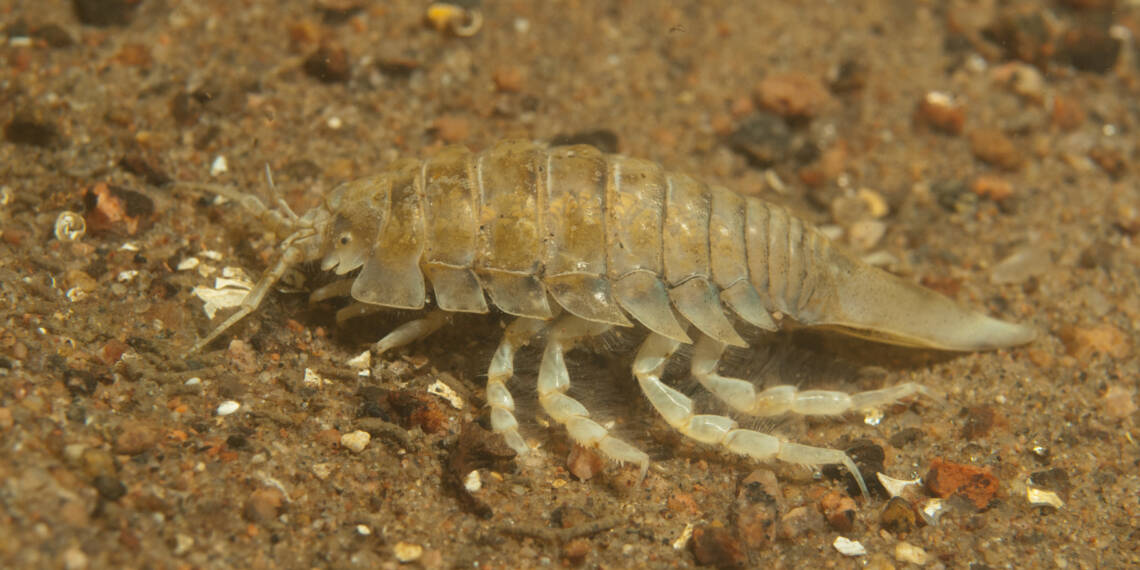
The glacial relict Saduria entomon, which lives on the bottom of the Baltic Sea, already inhabited the proglacial lakes at the edge of the continental ice sheet. It tolerates salinity fluctuations well and can grow up to 10 centimeters in length
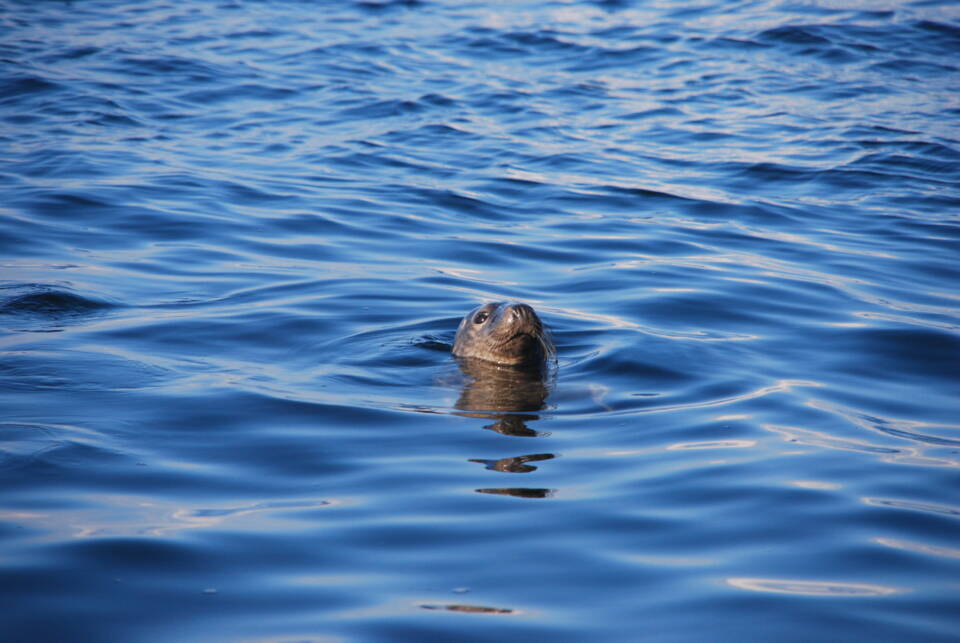
Two seal species live in the Baltic Sea: the grey seal and the Baltic ringed seal. The history of the Baltic ringed seal traces back to cold northern seas.
Because the Baltic Sea is located far from the equator, its ecosystem strongly follows the rhythm of the seasons. The alternation between winter and summer is caused by changes in the Earth’s axial tilt relative to the Sun’s orbit. The Baltic Sea experiences summer when the northern hemisphere is tilted toward the Sun.
Species in the Baltic Sea have adapted to this seasonal rhythm, which influences factors such as weather, light availability, day length, seawater temperature, and water mixing.
The Baltic Sea stretches approximately 1,300 kilometers from south to north, resulting in significant climate differences across its subregions.
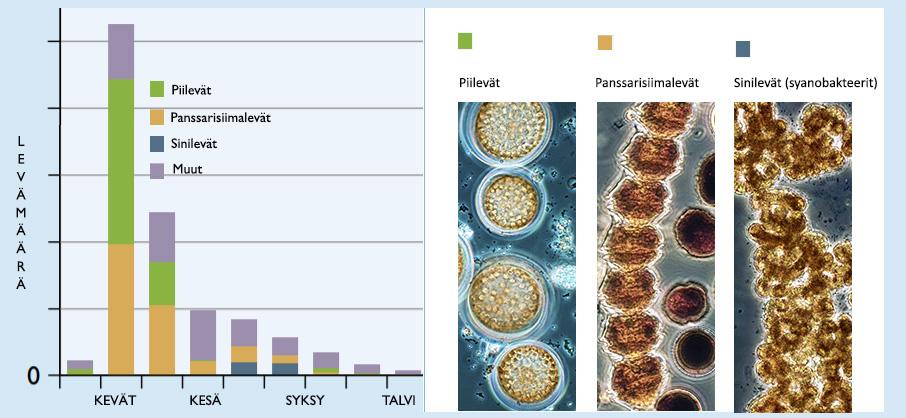
An example of how the quantity and species composition of phytoplankton vary in the Gulf of Finland depending on the season. Images: Seija Hällfors Source: Finnish Environment Institute / Sirpa Lehtinen
The quantity and species composition of phytoplankton are especially influenced by the availability of light and nutrients, as well as by water stratification, temperature, and salinity.
In winter, phytoplankton levels are generally low, although algal blooms can occasionally occur in open water or beneath the ice.
In spring, phytoplankton abundance peaks: after winter, the water is rich in nutrients, light increases, and the water column becomes stratified. This leads to a rapid acceleration in algal growth. During spring, diatoms and dinoflagellates dominate the phytoplankton community.
As nutrients become depleted, phytoplankton levels decline. As summer progresses and water temperatures continue to rise, the proportion of cyanobacteria in the community increases. Some cyanobacteria species can fix nitrogen from the air and store phosphorus, giving them a competitive advantage over other planktonic algae. Under calm weather conditions, cyanobacteria can reproduce rapidly and form extensive surface blooms.
In autumn, algal growth gradually slows down as the water column mixes and light availability decreases.