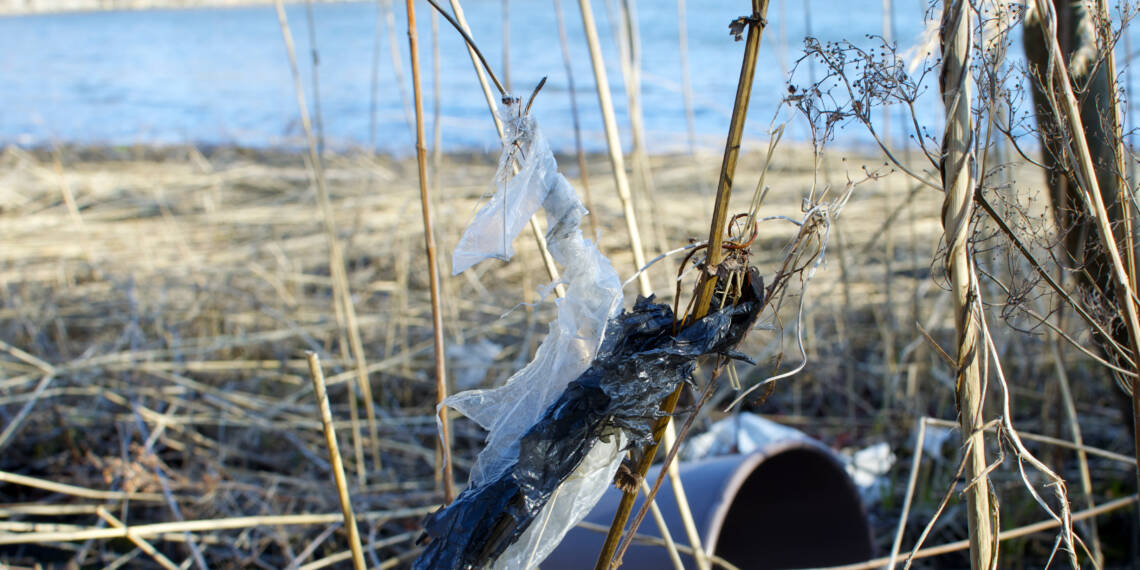
Many pieces of litter end up in the sea
Contents
- Marine litter reveals how we live
- What is marine litter and where does it come from?
- Plastic as a Material
- Microplastics and their Sources
- Plastic Waste in the Sea
- What can be done to solve the marine litter problem?
- Teaching Materials: Litter
Marine litter reveals how we live
People today often live in a hurry and feel a constant urge to buy something new. This lifestyle inevitably generates a lot of waste. It’s important to consider how we can reduce the amount of litter we produce.
If we want to live sustainably, we must take better care of the environment. This can be achieved by thinking more carefully about what we truly need, choosing appropriate materials for each purpose, and recycling everything we possibly can. A sustainable lifestyle means recognizing the Earth’s limited resources and capacity—including the well-being of the Baltic Sea.
Think carefully about what you purchase. Sort, recycle, and dispose of waste properly, and the sea will become less polluted too.
What is marine litter and where does it come from?
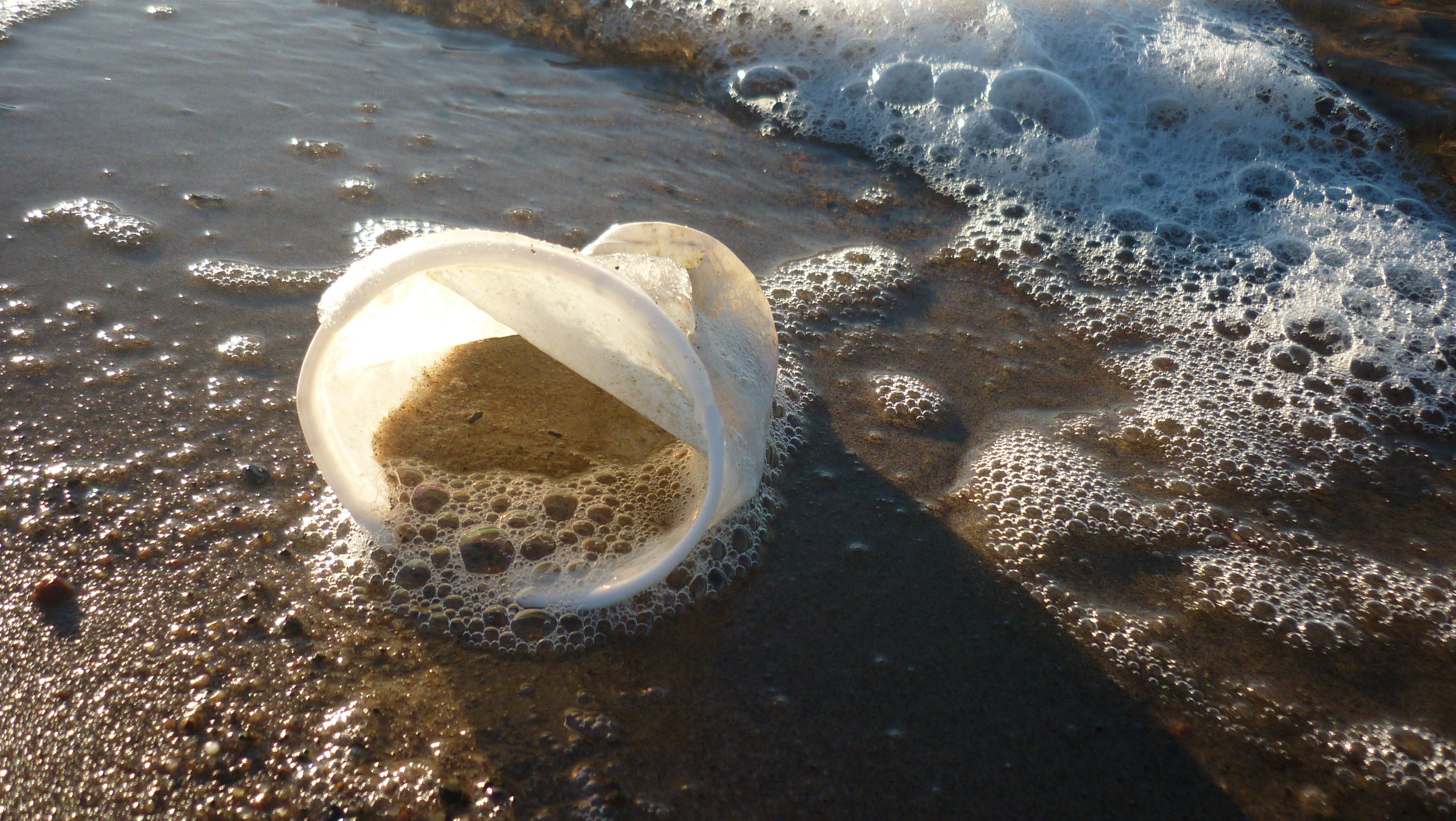
Human activity pollutes the environment. About 80% of the litter floating in the sea originates from land. Most marine litter is plastic. The most common single piece of plastic litter is the cigarette butt.
Also check out: The journey of a cigarette butt.
Marine litter is generated by activities such as construction, industry, illegal dumping, recreation, transportation, and fishing. The origin of marine litter is not always easy to determine, as similar types of waste can come from multiple sources. Additionally, some litter breaks down over time into unrecognizable fragments. Human carelessness and poorly managed waste systems further contribute to environmental pollution.
The size of marine litter ranges from large debris to tiny micro-particles, and the variety of materials is vast. The composition and quantity of marine litter are studied, for example, by surveying waste found on shorelines. On the beach, the popularity of disposable materials becomes evident: a large portion of the litter consists of plastic packaging, caps, containers, and cutlery.

Plastic as a Material
Plastic is widely used around the world because it is moldable, durable, lightweight, and inexpensive. It consists of synthetic polymers and additives that enhance the properties of the finished product. Plastic is still primarily produced from fossil oil.
The majority of plastic produced in Europe is used for packaging materials, followed by the construction industry. The top uses also include plastics for the automotive and electronics industries, as well as household products. The types of plastic most commonly found on beaches and in the sea are those produced in the highest volumes. In Europe, the most common types of plastic are used to make packaging films, pipes, containers, toys, and beverage bottles.
Plastic is long-lasting and buoyant, which means it often travels far, carried by water currents, wind, or animals.
In the ocean, plastic can take hundreds of years to break down.
Large pieces of plastic gradually become brittle and wear down into tiny micro-particles, which continue their journey through the marine food web.
Microplastics and their Sources
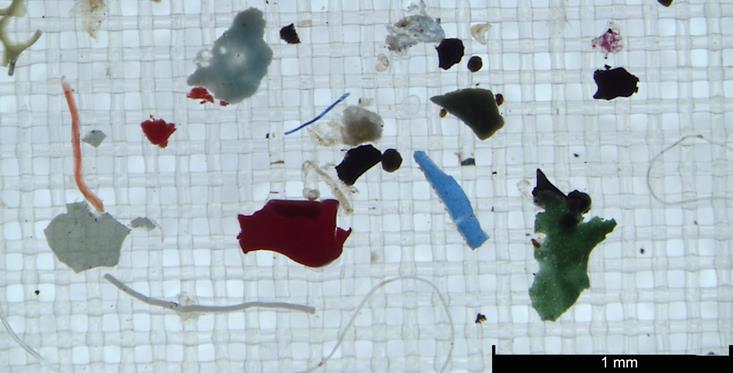
Microplastic refers to plastic fragments smaller than 5 millimeters. Some of this plastic debris is already very small when it enters the sea—this is called primary microplastic. Primary microplastics are used, for example, in industrial applications as well as in cleaning and cosmetic products.
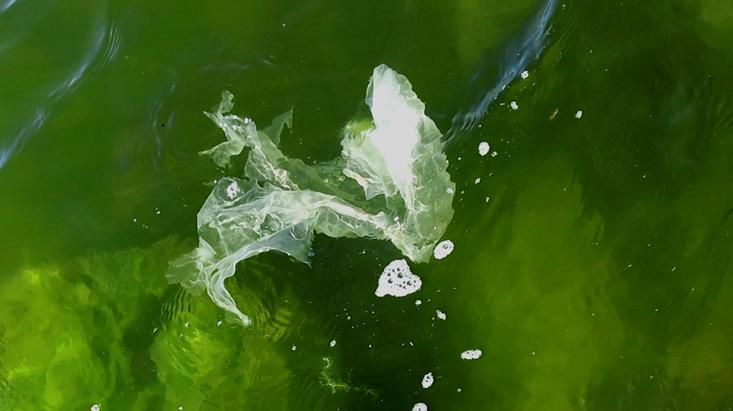
Secondary microplastic, on the other hand, is released from products during use or as plastic waste gradually breaks down in the environment. Such fragments can come from washing synthetic clothing, abrasion from vehicle tires on roads, or the degradation of plastic bags in nature.
The best way to prevent microplastics from reaching water bodies is to identify their sources and pathways. Once microplastic reaches aquatic environments, removing it becomes nearly impossible.
According to studies conducted in Finland and Sweden, most micro-debris smaller than 5 millimeters that enters wastewater treatment plants is removed during the treatment process.
However, the quantity and composition of the tiniest particles—those only nanometers in size—are difficult to study. As a result, little is known about the sources, pathways, and fate of these “nano-fragments” in aquatic environments.
Plastic Waste in the Sea
Plastic waste is dangerous to marine life. A seal or seabird entangled in a fishing net or plastic bag may die. As plastic floats in the sea over time, various organisms begin to accumulate on its surface. This layer of life attracts marine animals to feed on the plastic debris.
Over time, plastic waste becomes brittle and breaks down into tiny fragments that continue their journey through the marine ecosystem. The smaller the fragment, the more likely it is that an animal will mistake it for food and consume it. Microplastics can circulate through food webs almost endlessly.
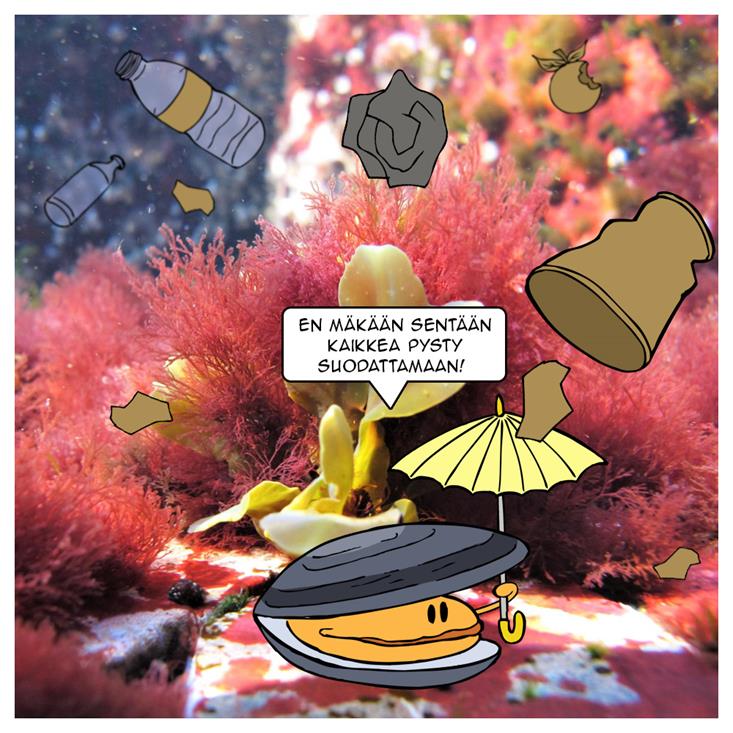
Laboratory tests have shown that planktonic crustaceans, mussels, and many fish consume microplastics. Microplastics have also been found inside animals living in the wild.
Some additives used to enhance the properties of plastic, such as phthalates and PCBs, are harmful to the environment. In addition, plastic absorbs pollutants already present in water, causing their concentration in the plastic to become higher than in the surrounding water. These harmful substances can also be transferred to organisms along with tiny plastic particles. However, more research in the marine environment is needed to understand the risks posed by plastic-related pollutants in the Baltic Sea.
What can be done to solve the marine litter problem?
A littered environment encourages more littering, while a clean environment makes people think twice before throwing trash into nature. Each of us can influence others through our own example. So let’s put waste where it belongs—into recycling for reuse or into the trash bin.
Knowledge, awareness, and environmental education help reduce littering caused by sheer thoughtlessness. Environmental organizations play an important role by spreading information to the public.
Each of us can also make a difference. If you notice issues in your local waste management, suggest improvements to local authorities and decision-makers. You can also raise awareness by posting on social media or writing to newspaper opinion sections.

Littering is being reduced through various measures: avoiding unnecessary packaging, not pushing free plastic bags on consumers, making recycling easy, and improving waste management systems. Alternative packaging materials, such as wood-based options, have also been developed to replace plastic.
The Ministry of the Environment oversees coastal litter monitoring. The Keep the Archipelago Tidy Association (PSS ry) carries out practical monitoring in cooperation with the Finnish Environment Institute.
did you know?
A fleece jacket is made of synthetic fiber. It is crafted from soft polyester, which is derived from plastic. A single wash can release nearly 2,000 microfibers from the jacket.
Globally, around 800,000 tons of cigarette butts end up in nature each year.
Keep the Archipelago Tidy Association (PSS ry)(siirryt toiseen palveluun) is Finland’s most well-known organization fighting against littering in marine and inland waters.
Roope Services is a waste management service maintained by PSS ry, specifically designed for people traveling on water.
With the Finnish Environment Institute’s Observation Messenger, you can report beaches in need of cleaning: Havaintolähetti(siirryt toiseen palveluun).
Test your knowledge: Litter (in Finnish) (siirryt toiseen palveluun)