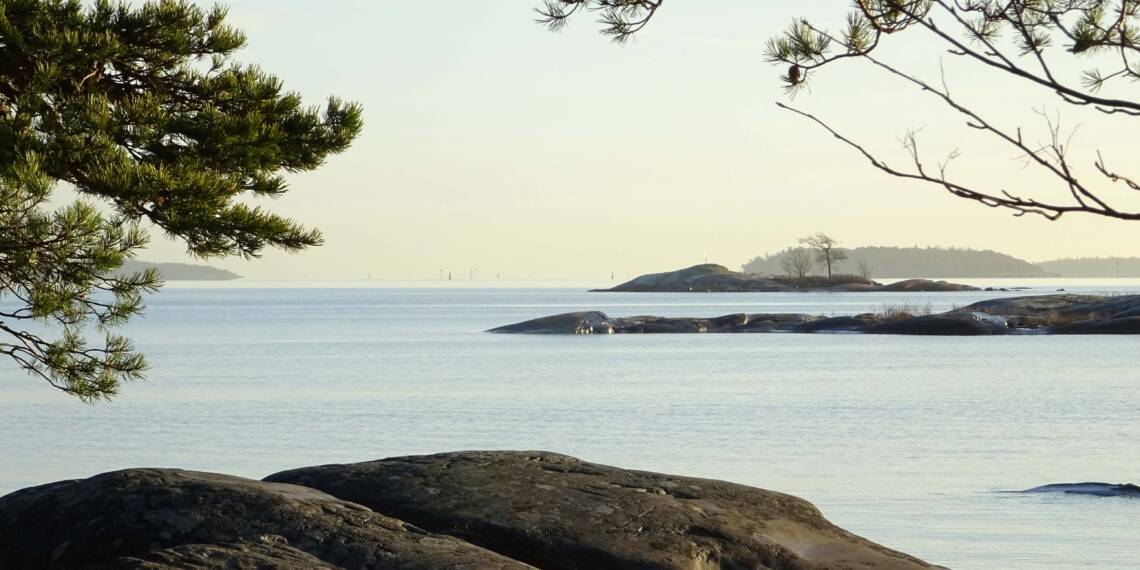
The Baltic Sea is a fragile treasure among the world’s oceans
Contents
- The Baltic Sea’s ecosystem is fragile
- Climate change is altering conditions beneath the surface as well
- The Baltic Sea is cared for and protected in many ways
The Baltic Sea’s ecosystem is fragile
The number of species in the Baltic Sea is small, which makes its ecosystem sensitive to change. In addition to shifts in environmental factors, species also respond to other species and the changes they cause in the habitat. The disappearance of even a single species can significantly alter the functioning of the ecosystem.
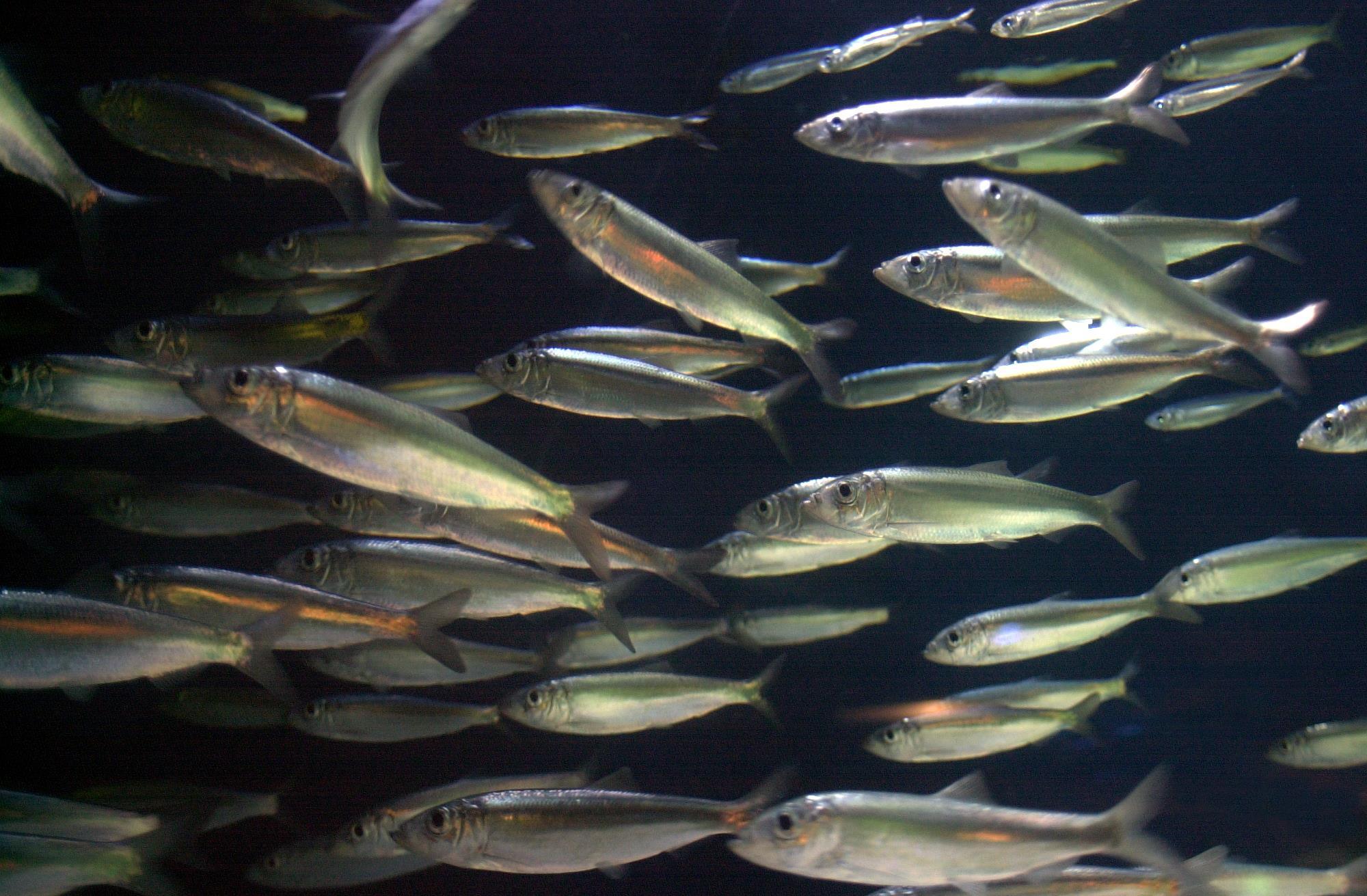
Most species originate from either oceans or freshwater environments, so they must either tolerate the Baltic Sea’s low salinity or regulate the salt content in their tissues by removing or adding salt—an energy-consuming process. Salinity and temperature stress organisms, which is why many species remain smaller in the Baltic Sea than elsewhere. Marine examples of small-sized organisms in the Baltic Sea include the blue mussel and the Baltic herring.
Because the Baltic Sea is connected to the ocean only through the narrow Danish straits, it takes several decades for its entire water volume to be renewed. All substances and materials that enter the sea remain there for a long time, exposing the ecosystem to their potential harmful effects. Brackish water is a demanding habitat for both marine and freshwater species, making Baltic organisms more vulnerable to the impact of pollutants. Harmful substances can also accumulate in the food web. High concentrations are toxic to marine life and may even pose health risks to humans who consume fish.
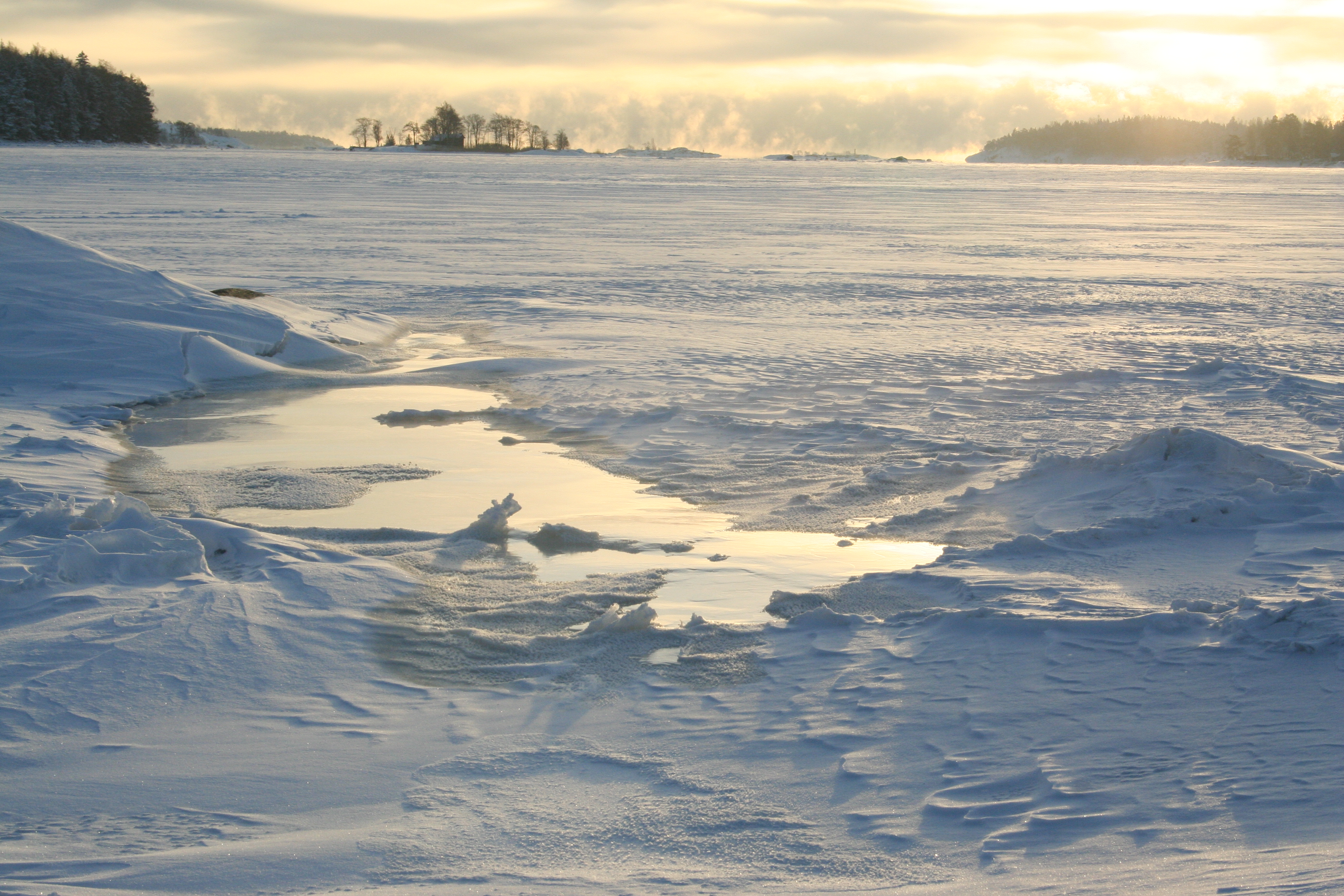
The Baltic Sea’s low temperature and winter ice cover also make its ecosystem particularly vulnerable to oil spills.
Climate change is altering conditions beneath the surface as well
Climate change is expected to raise the temperature of the Baltic Sea, increase precipitation—especially during winter—and reduce salinity. These changes will alter species distributions and the functioning of the ecosystem. In winter, runoff from land may increase if winters become milder and more precipitation falls as rain on unfrozen ground. Increased rainfall will further freshen the Baltic Sea.
A decline in salinity harms species adapted to saltwater. Some species, such as eelgrass, may completely disappear from the Finnish coast, and the distribution of bladderwrack and blue mussels is also likely to shrink. In contrast, species that prefer freshwater may expand, such as cyprinid fish, which could reproduce across a wider area.
The effects of rising temperatures on biological communities are difficult to predict. A reduction in ice cover directly affects ice-dependent species like the Baltic ringed seal. On the other hand, climate change is expected to increase extreme weather events, so harsh ice winters may still occur.
Ice-free waters mix more deeply during strong winds, which may help prevent wintertime oxygen depletion on the seafloor. The impact of climate change on eutrophication also depends on the specific characteristics of different parts of the Baltic Sea.
The effects of climate change on coastal species in the Baltic Sea can be estimated using distribution models that take into account the salinity, temperature, and nutrient conditions in which species currently thrive. These models are then used to forecast future environmental conditions and assess how species distributions may shift as a result.
The Baltic Sea is cared for and protected in many ways
Protecting the Baltic Sea requires cooperation between multiple countries and a wide range of stakeholders. Researchers, decision-makers, organizations, businesses, authorities, and citizens all need to be involved. Growing environmental awareness also strengthens efforts to safeguard the Baltic Sea.
The use and burden on the Baltic Sea are regulated by numerous national and international agreements aimed at ensuring that human activities do not degrade the sea’s condition or its natural environment. Marine management seeks to adjust human actions so that the services provided by the sea are not endangered.
Marine management focuses on key factors affecting the state of the sea. Priority is given to limiting nutrient and pollutant emissions, minimizing environmental risks from maritime traffic, and protecting biodiversity. New areas of focus include reducing litter, giving greater attention to the role of fish stocks, and monitoring and minimizing underwater noise. For example, construction that generates underwater noise could be scheduled outside the ecosystem’s most sensitive periods.
Many predicted impacts of climate change pose a threat to the current Baltic Sea: eutrophication is expected to increase, native species may suffer, and invasive species may become more common. It is still difficult to precisely predict all the effects of climate change on marine life and human activities. Climate change also introduces new challenges for marine spatial planning, which aims to reconcile the protection of marine natural values with the activities of various sectors.