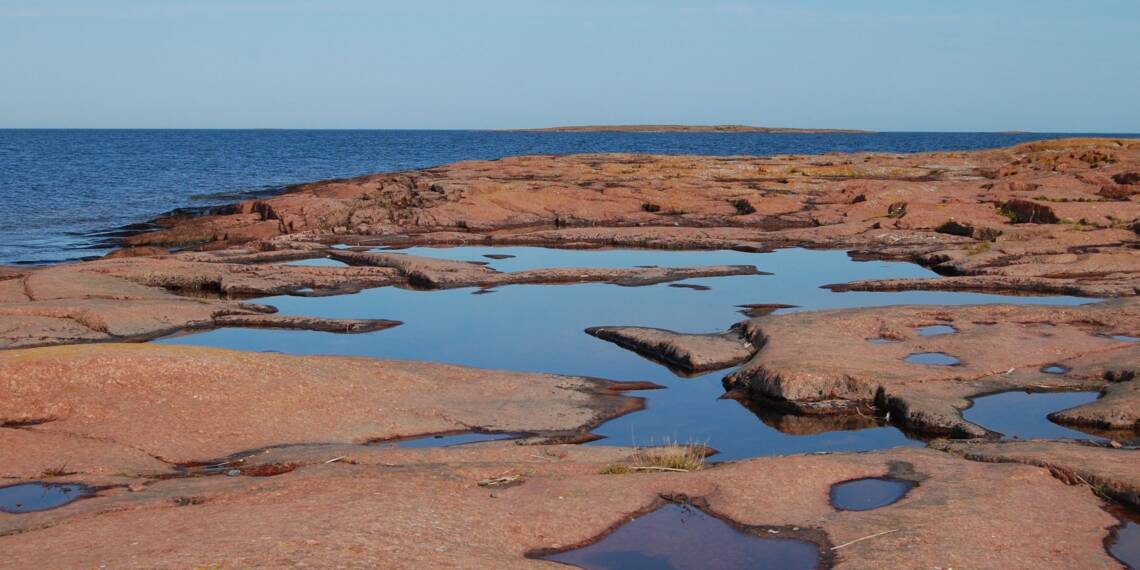
Ghost nets, treasures of the seabed, and long-term efforts for the good of the Baltic Sea! Marine researchers get to see the Baltic Sea from a completely different perspective in their work and now share fascinating details in these articles.
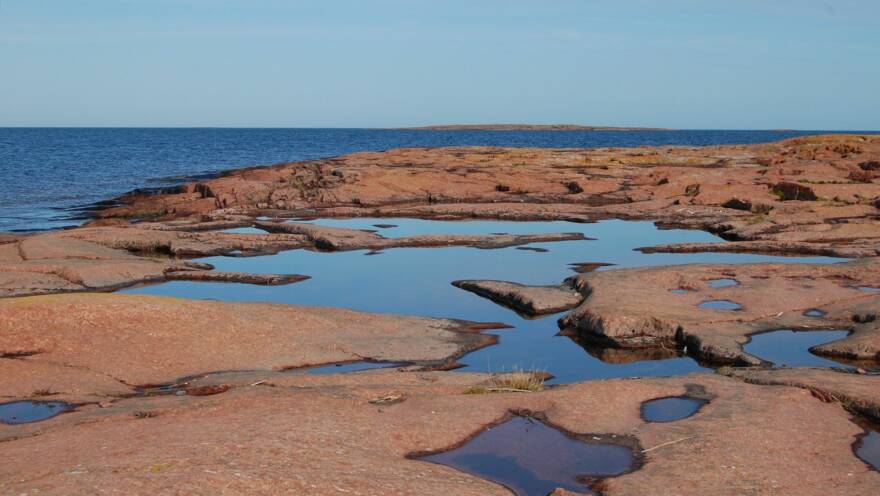
Åland – a self-governing island state
Åland is an autonomous part of the Republic of Finland. That is why the Åland Islands have their own parliament (the Åland Provincial Assembly) and government (the Åland Provincial Government). Such self-governance gives the people of Åland the right to make their own laws.
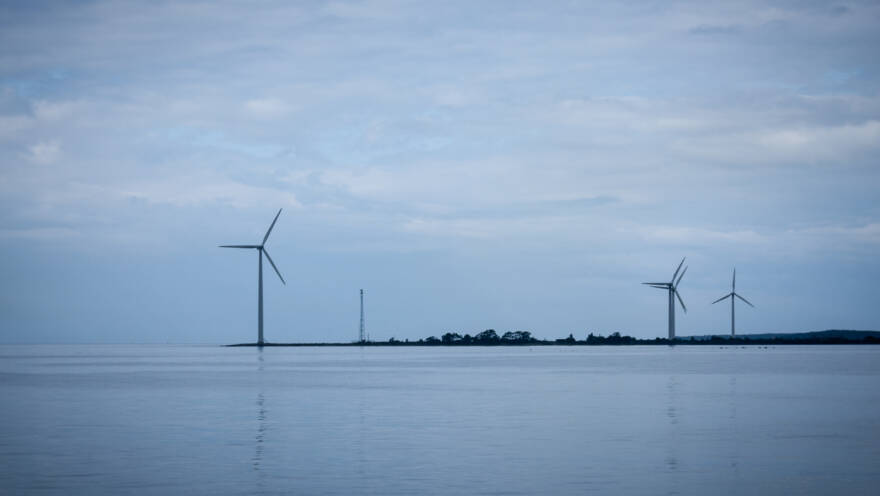
The race for the Baltic Sea has begun – maritime spatial planning reconciles different interests
The poor state of the marine environment has become a global concern. At the same time, the pressure for more efficient economic exploitation of marine areas has increased. This is reflected, for example, in the European Union's Blue Growth Strategy.
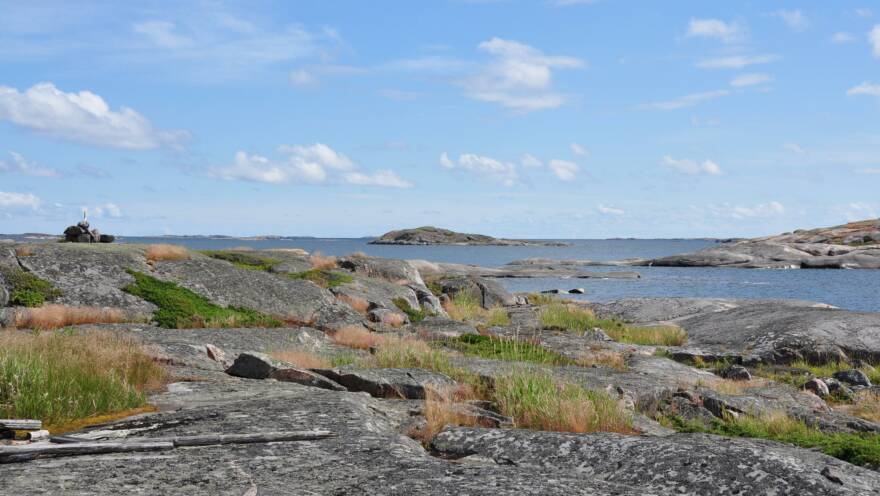
Maritime Spatial Planning – sustainable use safeguards the future of the marine environment
According to the European Commission's Blue Growth Strategy, the seas and oceans are important engines for the European economy. They also have considerable potential for innovation and growth.
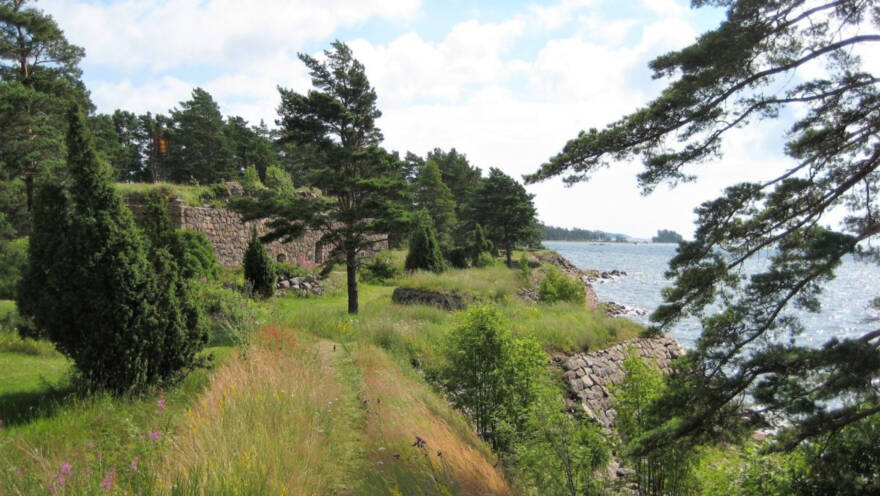
The changing marine landscape exists in the interactions of man and nature
Both human activity and the interactions between man and nature from prehistory to the present are visible in our environment. This will continue far into the future. However, not all of the impacts have been good. For example, the condition of our seas is a cause of worry.
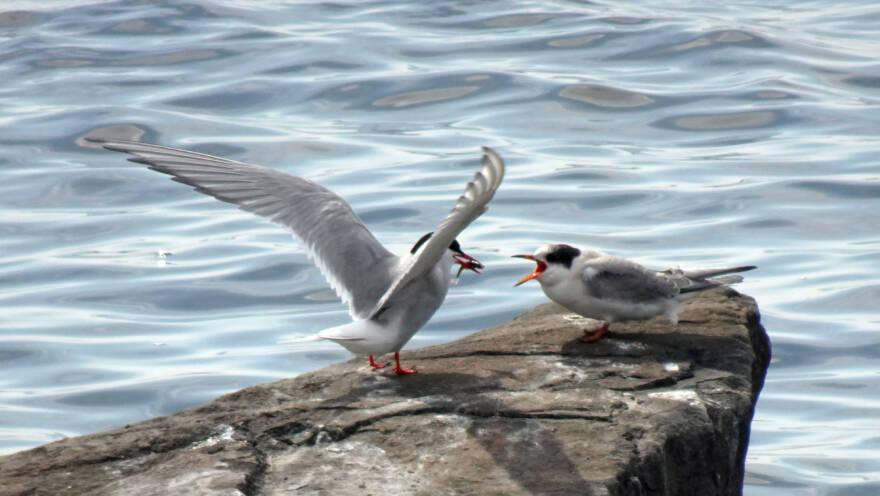
In the food webs of the Baltic Sea, energy is transferred from plankton to the apex predators
Food webs describe how energy flows from one level of the food web to another in an ecosystem. In other words, who eats whom or who eats what and how much.
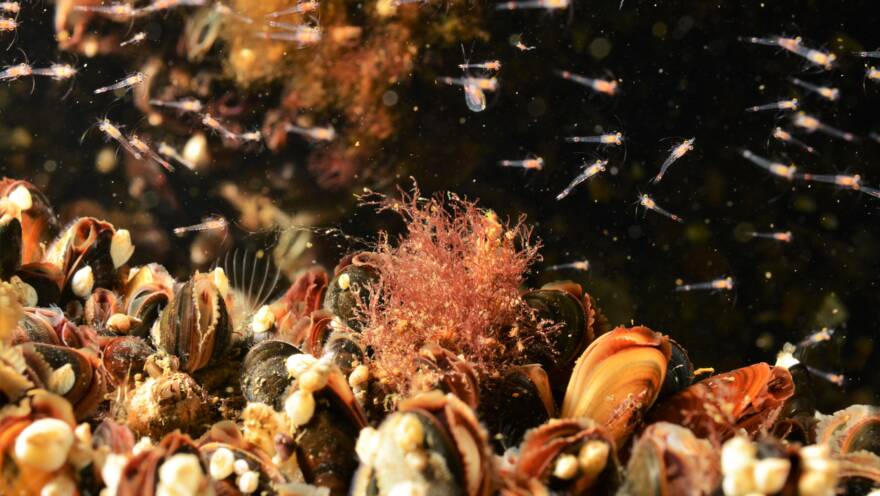
Key species and key habitat types drive the Baltic Sea
Key species and key habitats mean species and species communities that have a broad impact on the functioning of their habitat and the ecosystem services provided by an area.
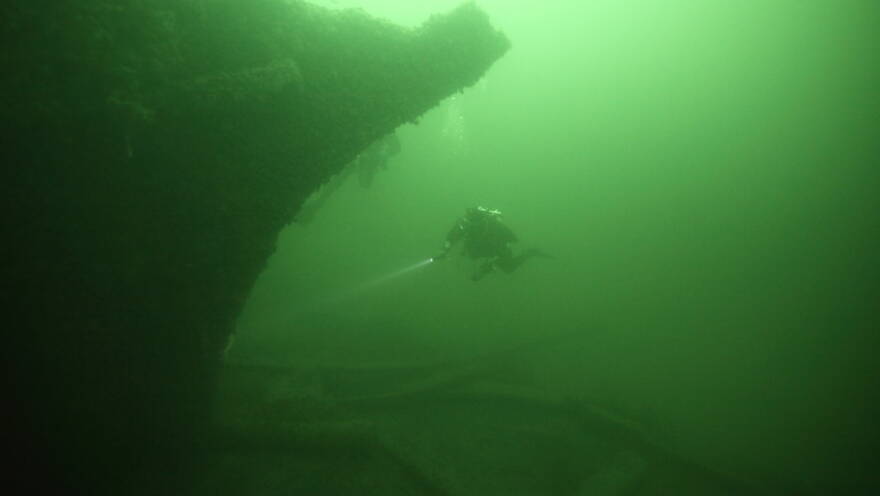
Why is marine archaeology important? – three reasons
This list presents three compelling reasons why marine archaeology and maritime cultural heritage are important and the three things everyone should know about this topic.

Message in a bottle? How can we spread the knowledge of underwater nature?
Most people will never get to visit below the surface of the Baltic Sea themselves. Instead, underwater species need to be found from the net, books, and documentaries. It is difficult to get excited about protecting natural values which are and strange and unknown.
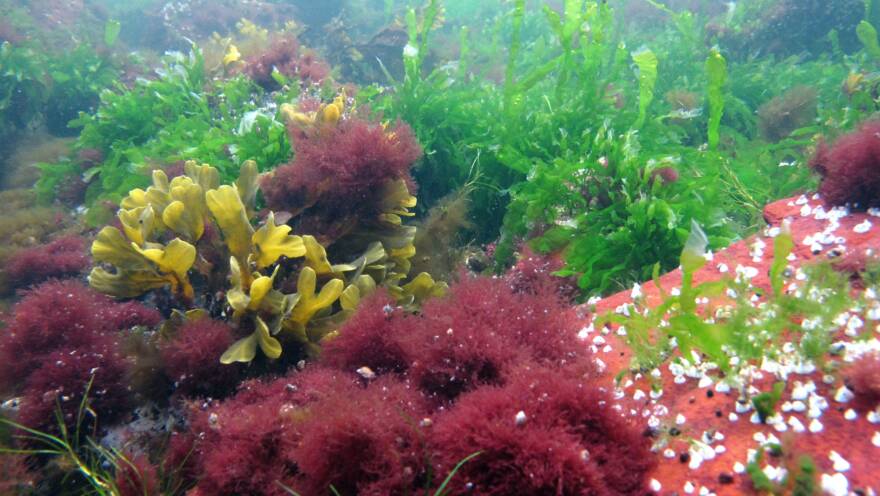
The protection of habitat types is reflected in the survival of an individual species and of the ecosystem as a whole
Below the surface, you will find a wide variety of landscapes, all with their uniquely special features and functions. Classifying landscapes helps to assess and predict the state of the environment, as well as the environmental factors affecting it.

The assessment of marine biodiversity consists of many components
Biodiversity loss is an even more serious threat to the environment than climate change. Biodiversity can be measured and described in many different ways. Therefore, a variety of assessment tools are needed to try to find the best practices for safeguarding biodiversity.