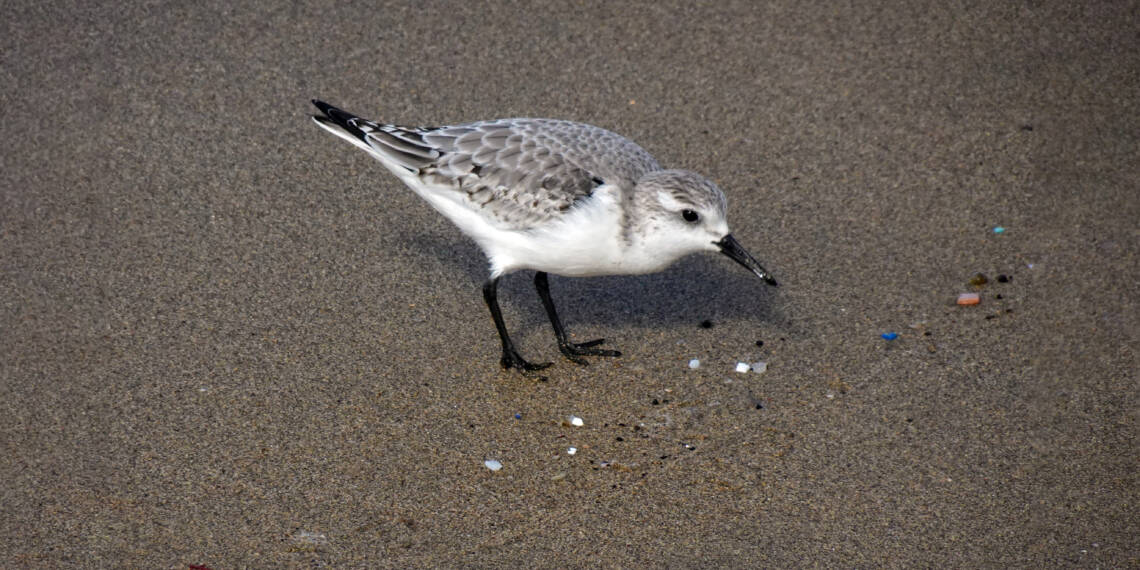
Litter is harmful to the entire ecosystem
Images of turtles entangled in debris or albatrosses that have ingested plastic waste are well known from the world’s oceans. In the Baltic Sea, litter affects animals in similar ways. Marine litter also causes various harms to humans.
The impacts of marine litter extend throughout the entire ecosystem. Debris that sinks to the seafloor can smother benthic communities. Floating litter, on the other hand, may carry organisms with it and spread harmful invasive species. Marine animals are injured and killed by marine litter. Plastic can also move through the food web and eventually end up in the human body.
Litter is dangerous to animals
For marine animals, litter can be fatal. An animal may become entangled in debris, preventing it from moving normally. This can hinder its ability to find food and cause various physical injuries and deformities. In the worst cases, it leads to death. Entanglement is especially caused by fishing lines and nets.
Another serious issue is the ingestion of litter, either accidentally or intentionally. Some animals cannot distinguish litter from food and readily consume plastic pieces. Ingested debris can cause blockages or abrasions in the digestive tract, leading to starvation or suffocation. Plastic waste also contains many substances known to be harmful, such as plasticizers and flame retardants. Animals that consume litter absorb these toxic substances into their bodies.

Ghost nets continue to fish on their own
The sea contains many abandoned or lost nets, trawls, and other fishing gear. These are collectively known as ghost nets. A large portion of ghost nets continue to catch marine life far into the future. Mammals, birds, and fish can become entangled in them. The most serious problems are caused by gear that gets caught on underwater structures, such as shipwrecks. These do not sink to the seabed but remain dangerous for decades.
The full effects of microplastics are not yet known
The harmful effects of visible litter on marine life have been studied for several decades around the world. Much less is known about the role of microdebris, especially microplastics, in the marine food web. The presence of microdebris was only fully recognized in the 2010s.
Samples taken from the marine environment and laboratory studies show that marine organisms are exposed to microplastics. Many different species readily ingest microplastics, and they can move from one level of the food web to another. Microplastics that enter the body have similar effects to larger plastic debris: they damage the animal’s digestive tract and carry harmful substances. Extremely small microplastics can also pass through the gut wall and enter the bloodstream and tissues.

Monitoring of adverse effects in the Baltic Sea is being developed
Information about the harmful effects of litter on organisms in the Baltic Sea is mostly based on laboratory studies and citizen observations, such as animals entangled in debris. Systematic data collection has been hindered by the lack of suitable indicators for assessing the impacts, which would allow targeted monitoring. However, it is currently being investigated whether, for example, the amount of plastic debris collected in cormorant nests could serve as one indicator of adverse effects.
Sisältö vaatii markkinointievästeiden sallimisen. Ole hyvä ja salli evästeet katsoaksesi sen.
Littering also affects people
Marine litter causes various types of harm to people and society. The impacts can be social, economic, or aesthetic, and many of them are visible in everyday life.
Abandoned ghost nets can deplete fish stocks and thus reduce catches for fishers. Ghost nets can also interfere with maritime traffic. Littered beaches, in turn, reduce the recreational value of the environment, affecting both local residents and the tourism industry in the area. Cleaning up litter from the environment also results in significant costs for society.
-
 Point of view
Haamuverkoista on haittaa ympäristölle
-
 Find out more
Veden laatu ja meriroskat