Marine litter in the Baltic Sea
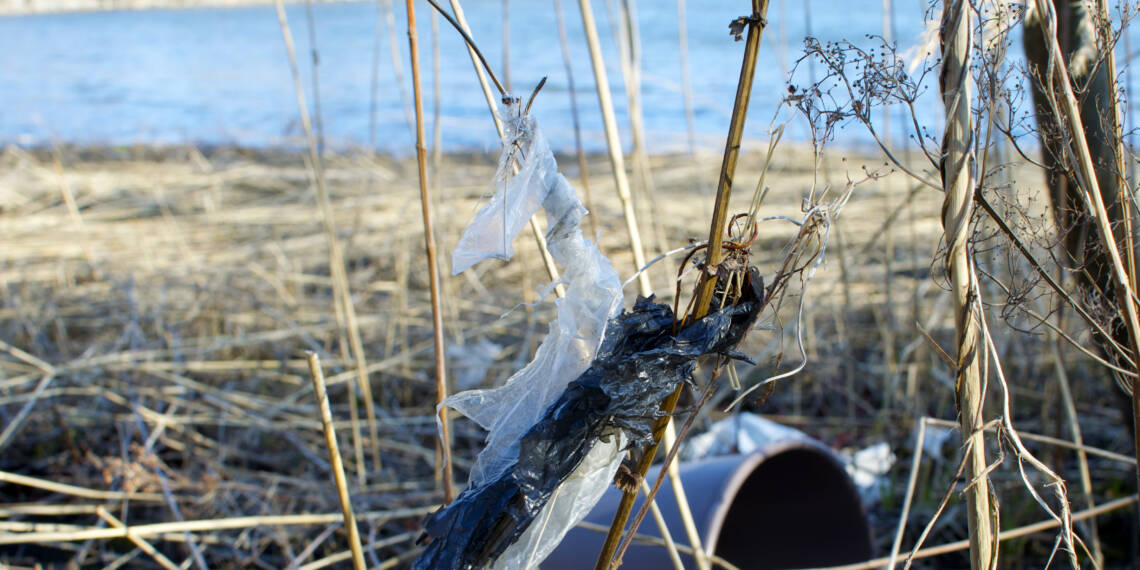
Littering is one of the most visible environmental problems in the Baltic Sea. Marine debris is especially noticeable on the shores, but litter can be found throughout the sea: in the water and on the surface, on the seabed, and even inside marine animals.
Marine litter refers to all solid waste produced by humans that has ended up in the marine environment, either intentionally or accidentally. The most common types of marine litter materials include various plastics, rubber, textiles, paper, cardboard, metal, treated wood, as well as glass and ceramics.
Some litter is easily visible to the naked eye, but detecting the smallest particles requires the help of a microscope. Marine litter is usually categorized into the following size classes:
- Micro litter (particles smaller than 5 mm)
- Meso litter (particles between 5 mm and 2.5 cm)
- Macro litter (particles larger than 2.5 cm)

Most Marine Litter Is Plastic
In the Baltic Sea, as in other seas around the world, the majority of litter—regardless of size—is plastic. Plastic has many properties that make it a useful and widely used material: it is durable, lightweight, inexpensive, and easy to shape.
However, once in the environment, plastics cause problems. They break down extremely slowly and can persist in nature for hundreds of years. They also travel easily, often far from their original source.
Plastics are also central when discussing micro litter—particles smaller than 5 millimeters. Some plastic-based micro litter is small from the start, such as plastic pellets used in manufacturing. Others originate from larger plastic items that have worn down, become brittle, and fragmented over time.
Examples of microplastics formed through wear and degradation include fibers shed from textiles and particles that have broken off from larger plastic debris. This degradation is accelerated by sunlight’s UV radiation, mechanical abrasion, and large temperature fluctuations.

Marine Litter Is Found Throughout the Baltic Sea
Litter on beaches is the most visible part of the marine litter problem, but in reality, debris is found throughout the sea. The lightest items float on the surface, slightly heavier ones sink deeper into the water, and eventually to the seabed. Microplastics, in particular, also end up in marine organisms. They have been found in all groups of organisms studied in the Baltic Sea, including zooplankton, mussels, fish, and seabirds.


