The Decade of Ocean Science 2021–2030 Aims to Advance Ocean Knowledge
Of the planet’s major ecosystems, the ocean remains the least understood. This lack of knowledge limits our ability to keep the world’s oceans healthy, resilient, and productive. The Decade of Ocean Science seeks to advance our understanding of the ocean and, through improved knowledge, support its sustainable use for the benefit of both people and nature.
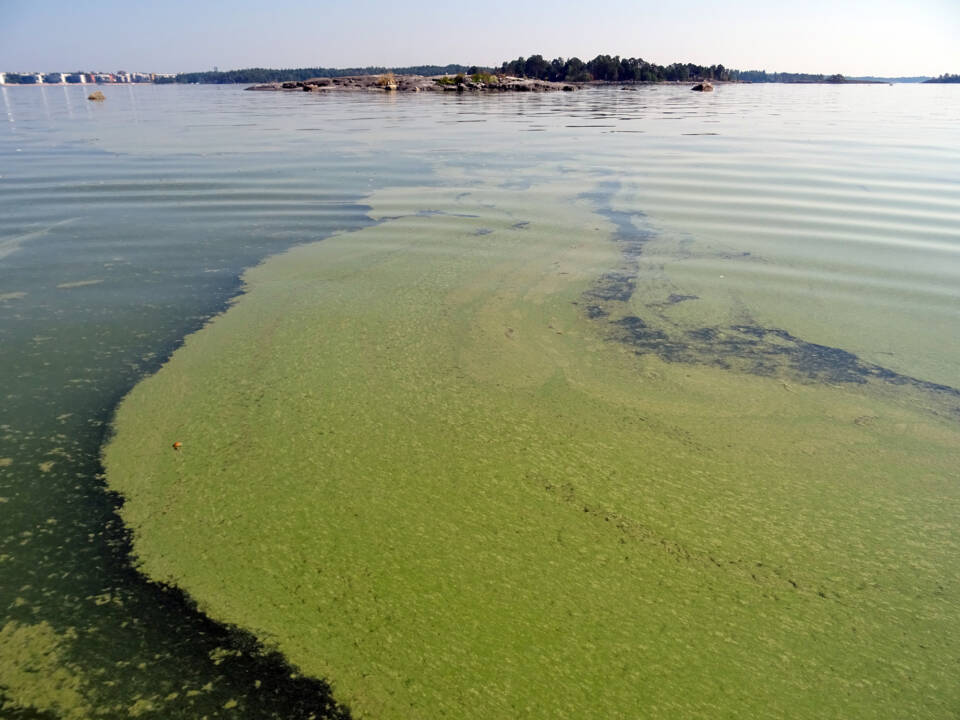
The oceans sustain life on Earth and provide food, livelihoods, and countless other benefits to humanity. Yet the growing pressures on marine environments are becoming increasingly evident. Eutrophication, caused by excessive nutrient inputs that fuel algal blooms, together with biodiversity loss, climate change, and marine litter, threatens the functioning of marine ecosystems and the oceans’ capacity to support life. The global ocean, which has long acted as a buffer against climate change by absorbing heat and carbon dioxide, is now being pushed to the limits of its resilience.
To help reverse this trend, the United Nations has proclaimed 2021–2030 as the Decade of Ocean Science for Sustainable Development. The Decade seeks to expand ocean knowledge and strengthen its use worldwide, creating the foundation needed to secure a sustainable future for the world’s oceans.
The Decade of Ocean Science forms part of the UN’s broader effort to steer global development onto a more sustainable path. It is closely linked to the UN’s 2030 Agenda for Sustainable Development, which includes a commitment to conserve and sustainably use the oceans, seas, and marine resources for sustainable development.
A Vision of a Thriving Ocean
Finland has taken an active role in implementing the Decade of Ocean Science. The country is well positioned to contribute, thanks to its strong expertise in the field, a long tradition of Baltic Sea research cooperation, and extensive networks connecting marine scientists across disciplines.
In Finland, activities related to the Decade are coordinated by a broad-based steering group. The group brings together research institutes and universities that produce marine knowledge, as well as the ministries and funding bodies that guide and support research. The aim is also to engage a wider range of societal actors, including non-governmental organisations and businesses.
In the vision developed by the steering group, the Baltic Sea is seen not only as an important regional sea but also as an integral part of the global ocean. Finnish marine research therefore has a mission that extends beyond our own waters. Its role is to help ensure that the world’s oceans remain clean, healthy, and productive for future generations.
How Will the Vision Become Reality?
To bring this vision into practice, the steering group drew up an implementation plan in 2022 outlining how the Decade of Ocean Science would be carried out in Finland, including its key priorities and organisational framework. According to the plan, Finnish marine research will continue to focus primarily on the Baltic Sea, while also contributing to ocean science on a broader global scale.
The overarching goal is to generate the knowledge needed to address challenges related to the marine environment and the sustainable use of ocean resources. A deeper understanding of marine ecosystems and processes will also improve our ability to anticipate environmental change and enhance resilience to marine hazards and natural disasters.
Another key objective is to increase awareness of the value of the ocean and marine ecosystems. Ocean knowledge should play a stronger role in decision-making, and everyone should have equitable access to marine observations, data, information, and technology.
What Kind of Ocean Do We Want?
The motto of the UN Decade of Ocean Science is “The Science We Need for the Ocean We Want.” The Decade’s vision also defines what that desired ocean should look like: an ocean that is clean, healthy, productive, safe, and accessible for all.
The same objectives guide the activities carried out in Finland. The national implementation plan sets out the measures through which Finnish marine research can contribute to achieving this shared vision and help build a more sustainable future for the ocean.
A Clean Ocean
Develop multidisciplinary marine research in Finland and strengthen regional cooperation. Enhance the link between marine research and decision-making, and increase the use of scientific knowledge in decisions across all sectors of society.
A Healthy and Resilient Ocean
Promote research that supports the health, biodiversity, and restoration of marine and coastal ecosystems. Particular emphasis is placed on research that addresses knowledge needs related to climate change, as well as the sustainable use, management, and protection of marine environments.
A Productive Ocean
Increase research into the risks that the use of marine resources may pose to marine ecosystems and improve our ability to identify and assess these risks. Strengthen opportunities for both the scientific community and the public to contribute to decision-making and influence activities that rely on the use of marine environments.
A Predictable Ocean
Ensure that ocean knowledge generated through scientific research is increasingly used in decision-making. Expand the use of automated data collection and monitoring systems, and strengthen their integration into decision-making processes.
A Safe Ocean
Increase research that helps society better prepare for natural hazards and adapt to climate change under the unique conditions of the Baltic Sea. Strengthen international cooperation in the fields of maritime transport and marine conservation. Enhance continuous and automated marine monitoring to support and improve maritime safety.
An Accessible Ocean
Harmonise marine data resources and improve the accessibility and usability of existing datasets, with particular attention to long-term monitoring and historical research data. Ensure the continuation of sustained marine and coastal observation programmes while further developing and enhancing their capacity to provide high-quality information.
A Shared Ocean
Increase knowledge and understanding of the ocean by strengthening ocean literacy across society. Develop educational materials on marine topics and encourage young people, school students, and civil society organisations to engage with ocean-related issues and activities.
Concrete Actions to Achieve the Goals
The implementation plan also outlines a range of concrete measures to support these goals. Among its proposals are the establishment of a dedicated Baltic Sea Panel in Finland and an innovation platform for sustainable blue economy activities to strengthen collaboration between researchers, public authorities, and industry stakeholders. The plan also calls for the creation of a digital twin of the Baltic Sea, a virtual computer-based model of the sea and its processes, which would support the further development and integration of modelling systems used to understand and manage the Baltic Sea.
Ocean literacy is promoted through a variety of activities, including events where researchers and experts share insights into the current state of the marine environment and the challenges and opportunities facing the sea.
Ocean literacy
Improving ocean literacy is also a key objective of the UN Decade of Ocean Science. Ocean literacy refers to increasing public understanding of the ocean, including its role as an environment, the ways in which the ocean influences our lives, and how human activities affect marine ecosystems.
Improving ocean literacy involves more than simply increasing public awareness. It also means strengthening ocean-related knowledge within school curricula and developing teaching methods and educational materials that support learning about the marine environment. The overarching goal is to engage all of us in promoting the well-being and protection of the oceans. To support this work, UNESCO has established a dedicated ocean literacy portal(siirryt toiseen palveluun) that provides guidance on ocean literacy content and helps facilitate related activities. The portal also serves as a networking platform where users can connect, exchange ideas, discuss initiatives, and share educational resources with one another.
The European Blue Schools Network(siirryt toiseen palveluun) brings together organisations, projects, and individuals that promote ocean literacy and the sustainable stewardship of the ocean. Its aim is to inspire schools to develop marine-related projects and share their experiences and results with others, helping to strengthen awareness and understanding of the ocean across Europe.
Finland has developed a national ocean literacy strategy aimed at increasing people’s understanding of the oceans and of how human activities affect marine environments. At the same time, the strategy seeks to strengthen Finland’s marine expertise and foster a stronger sense of marine identity among Finns.
Implementation Is Moving Forward
One of the measures proposed in the implementation plan was to update Finland’s marine research strategy. This was achieved in 2024 with the publication of the Marine Research Strategy 2024–2030. The strategy was prepared by the steering group for the Decade of Ocean Science, with broad participation from Finland’s marine research community. Its purpose is to respond to the evolving needs for ocean knowledge and expertise.
Other recommendations outlined in the implementation plan have also been put into practice. One concrete example was the 16th Baltic Sea Science Congress (BSSC), held in Helsinki in late summer 2023 in support of the Decade of Ocean Science.